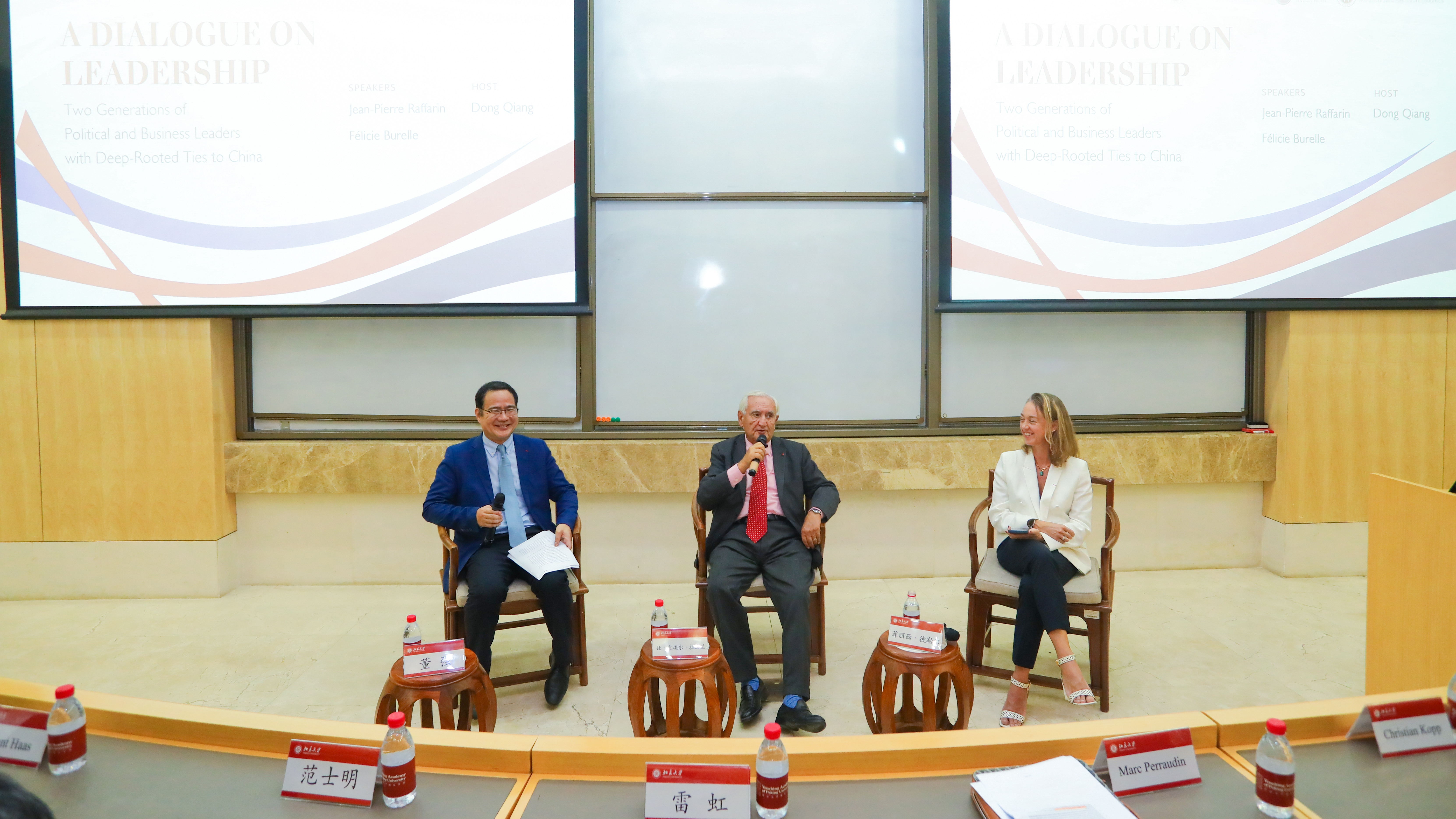
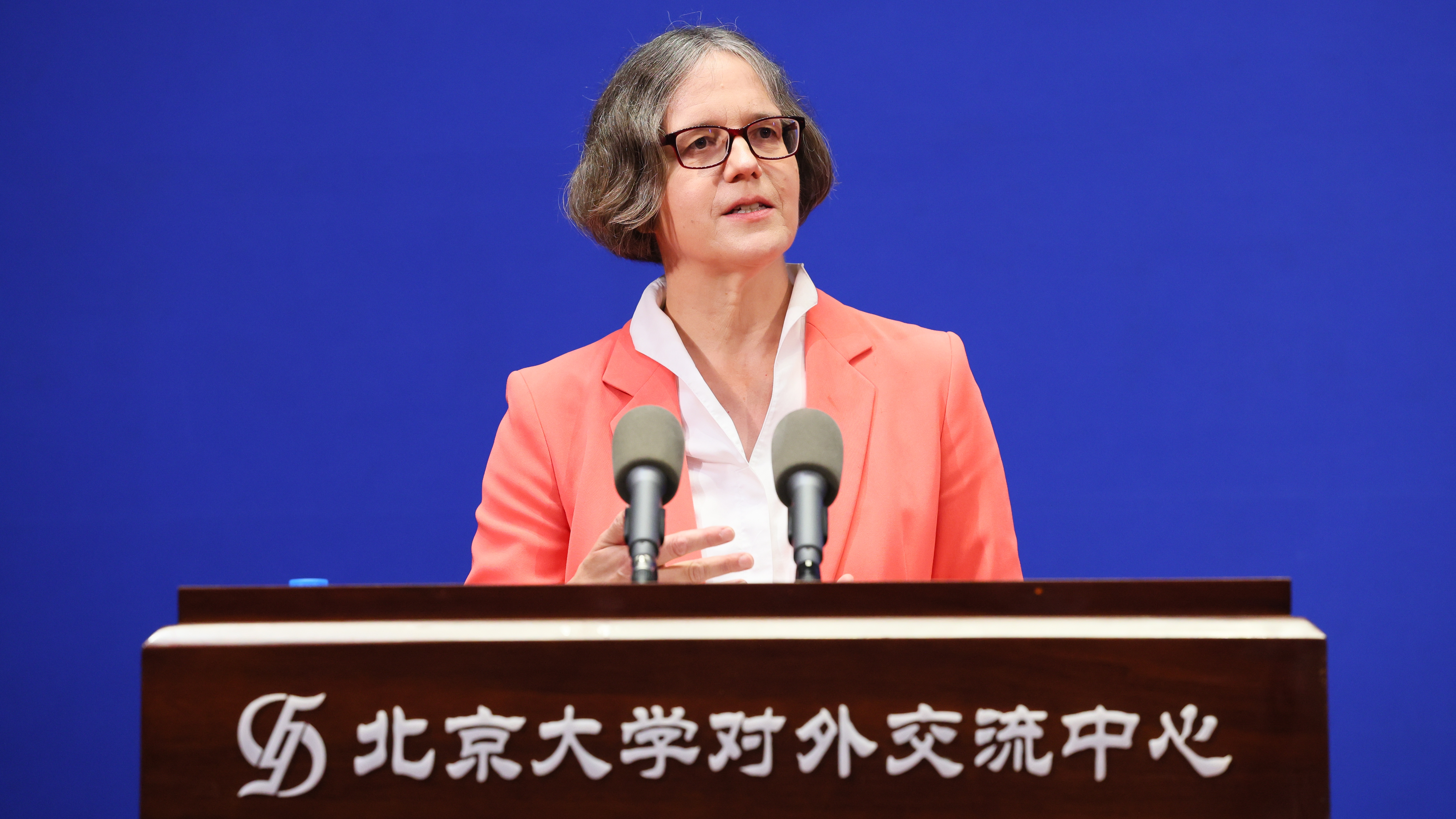
Peking University, April 16, 2026: Peking University (PKU) convened its 50th Young Faculty Academic Salon on March 17. This milestone session, titled "AI for Science: Corpus-Driven Research in Chemistry and Materials," was co-hosted by the Office of Human Resources, the College of Chemistry and Molecular Engineering, and the School of Materials Science and Engineering. The event brought together over 80 faculty members and students from 24 departments to explore how artificial intelligence is fundamentally transforming the landscape of basic science.
Breaking Bottlenecks: AI-Driven Innovation in Chemistry and Materials
The first half of the salon featured six scholars sharing breakthroughs and challenges within their respective fields:
• Synthesis and Computational Efficiency: Associate Professor Zhu Rong analyzed efficiency bottlenecks in traditional organic synthesis, noting that AI integration remains insufficient. Meanwhile, Associate Professor Jiang Hong discussed the "complexity gap" that persists between theoretical calculations and real-world catalytic systems.
• Biological and Measurement Breakthroughs: Researcher Zhou Peijie highlighted the use of high-fidelity virtual cell models as a vital direction for assessing drug safety. Assistant Professor Wang Huan presented a technical roadmap for "molecular filming"—using AI-driven image processing to achieve high-throughput data collection.
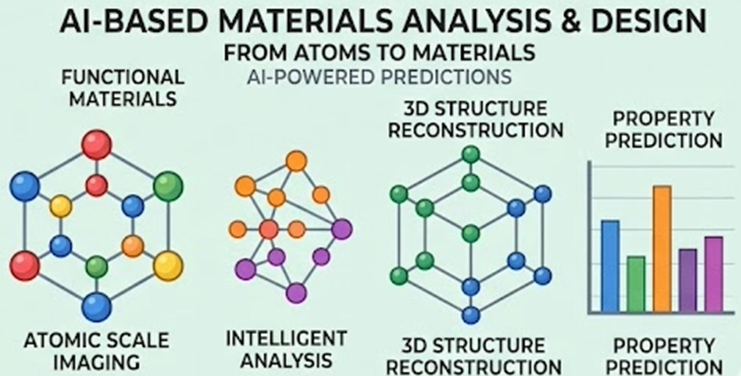
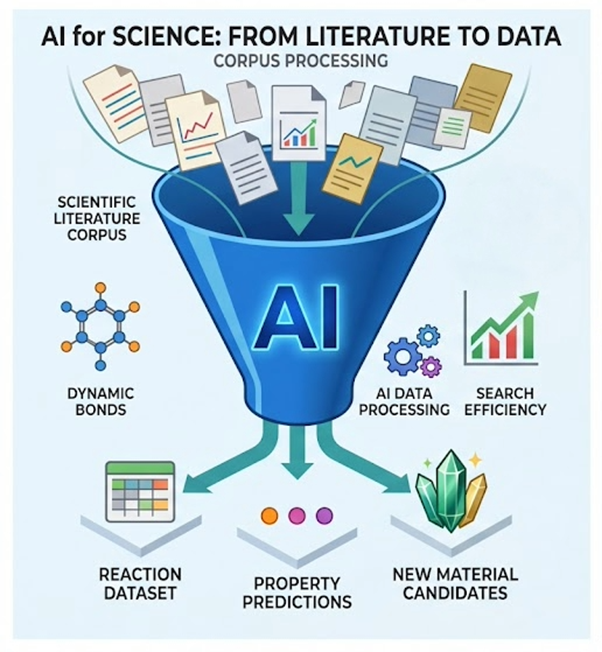
• Intelligent Material Construction: Researcher Shao Yuanlong demonstrated how his team screened 90,000 research papers to build a large-scale model aimed at optimizing the mass production of carbon nanotube fibers. Assistant Professor Zhao Xiaoxu offered a forward-looking perspective on the immense potential of AI for the intelligent analysis of materials at the atomic scale.
Deep Dives: From Raw Data to Intelligent Platforms
In the second half, five scholars shifted the focus toward cutting-edge developments in mathematics, computer science, and data infrastructure:
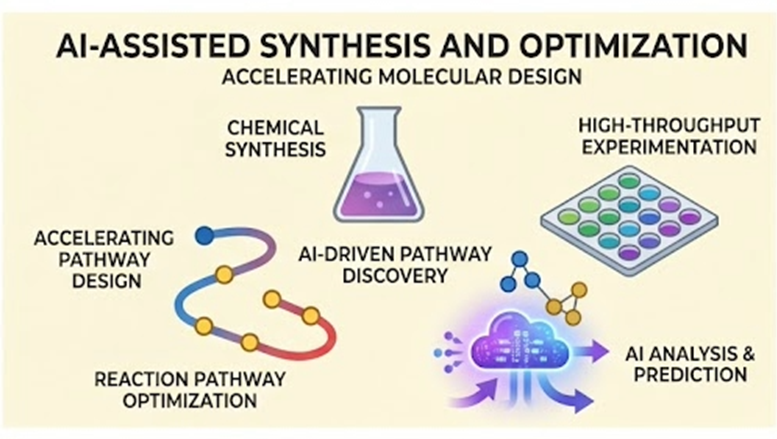
• Smart Synthesis and Discovery: Assistant Professor Lan Guangxu discussed the AI-assisted automated synthesis of 2D molecular materials. Professor Lyu Hua advocated for a shift in traditional thinking, utilizing automated, high-throughput polymer synthesis and functional screening platforms to revolutionize the design and discovery of polyamino acids.
• Infrastructure and Foundations: Li Xinyu, Vice Dean of AI for Science Institute, Beijing, introduced the "Basic Science Corpus" project. This collaborative effort between PKU and several other institutions provides the critical data infrastructure needed to train large-scale scientific models.
• Mathematics and Robotics: Professor Wen Zaiwen shared how AI is disrupting mathematical research through automated theorem proving and "proof-as-code" methodologies. Associate Professor Yang Tong introduced an autonomous multi-robot coordination platform and its experimental applications in real-world environments.
Expert Perspective: AI as a Catalyst for Discovery
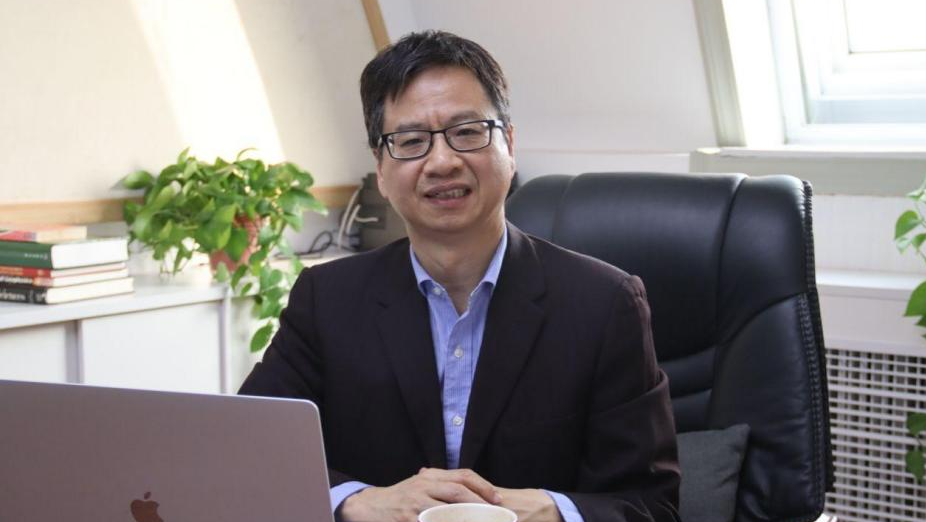
During the panel discussion, experts including Professors Lai Luhua, Lin Zhouchen, and Jin Xin emphasized that while AI adoption varies across disciplines, its potential is undeniable. They noted that researchers across the board face shared challenges, such as massive data volumes and limited processing efficiency. To overcome these hurdles, the panel called for deeper cross-disciplinary collaboration to foster the seamless integration of AI into the foundational sciences.
*Images created by Gemini
Source: College of Chemistry and Molecular Engineering, Peking University