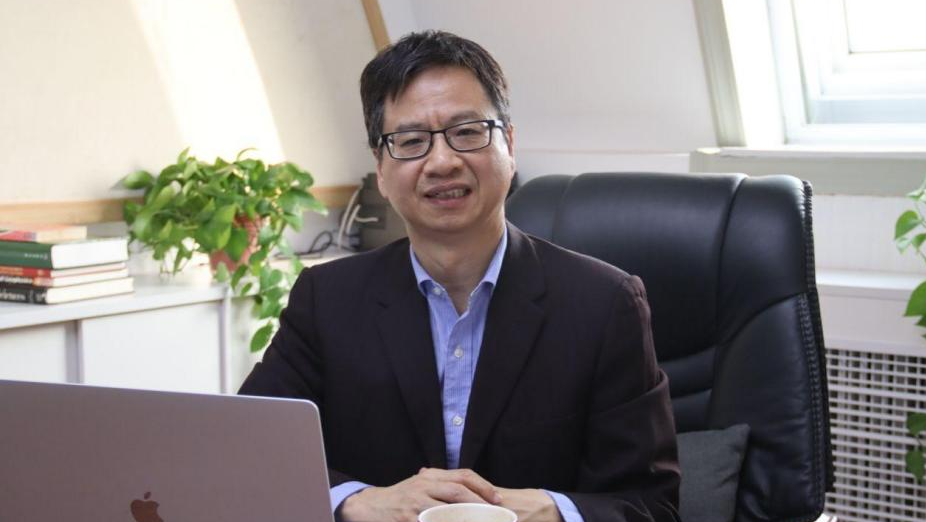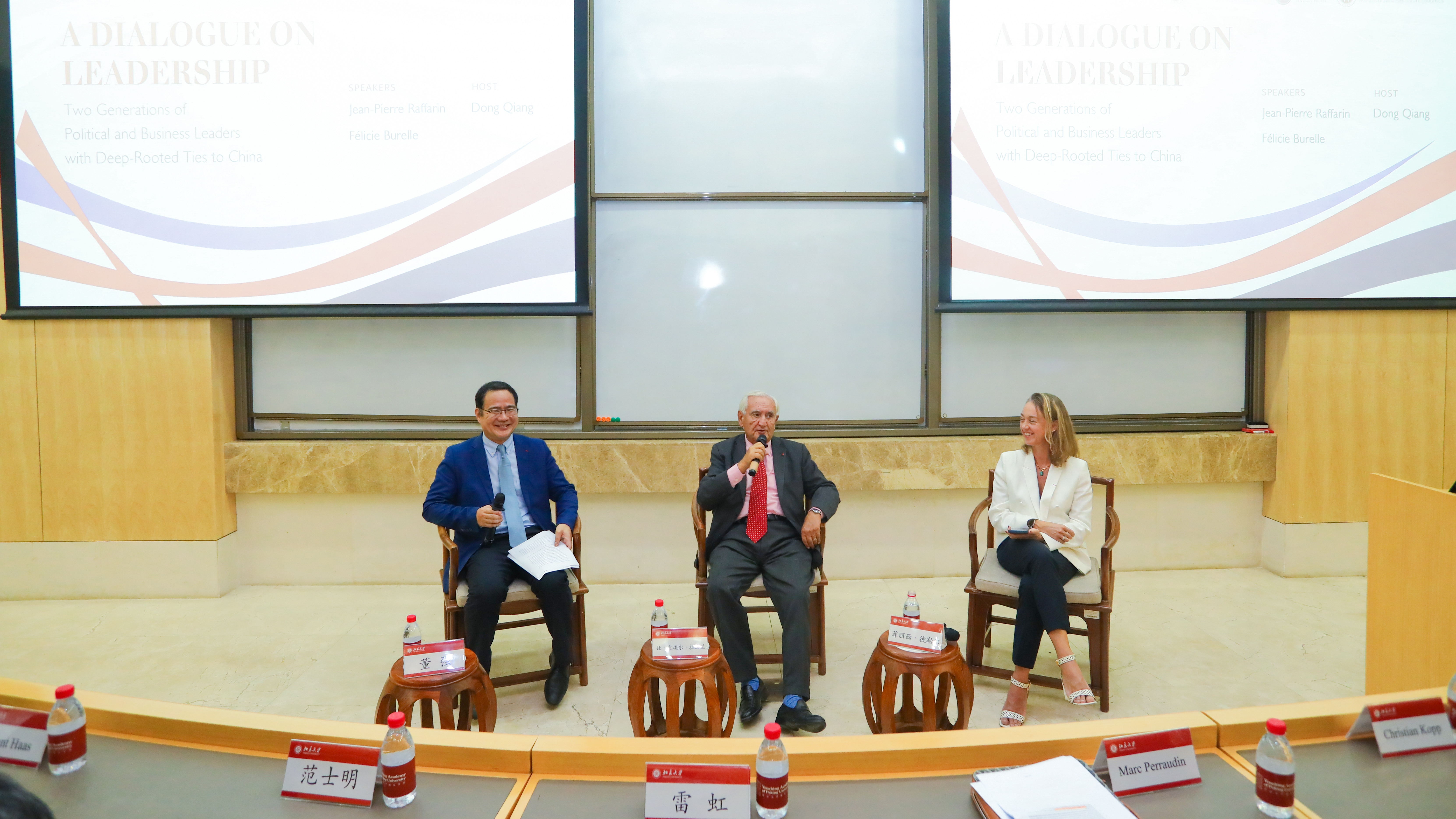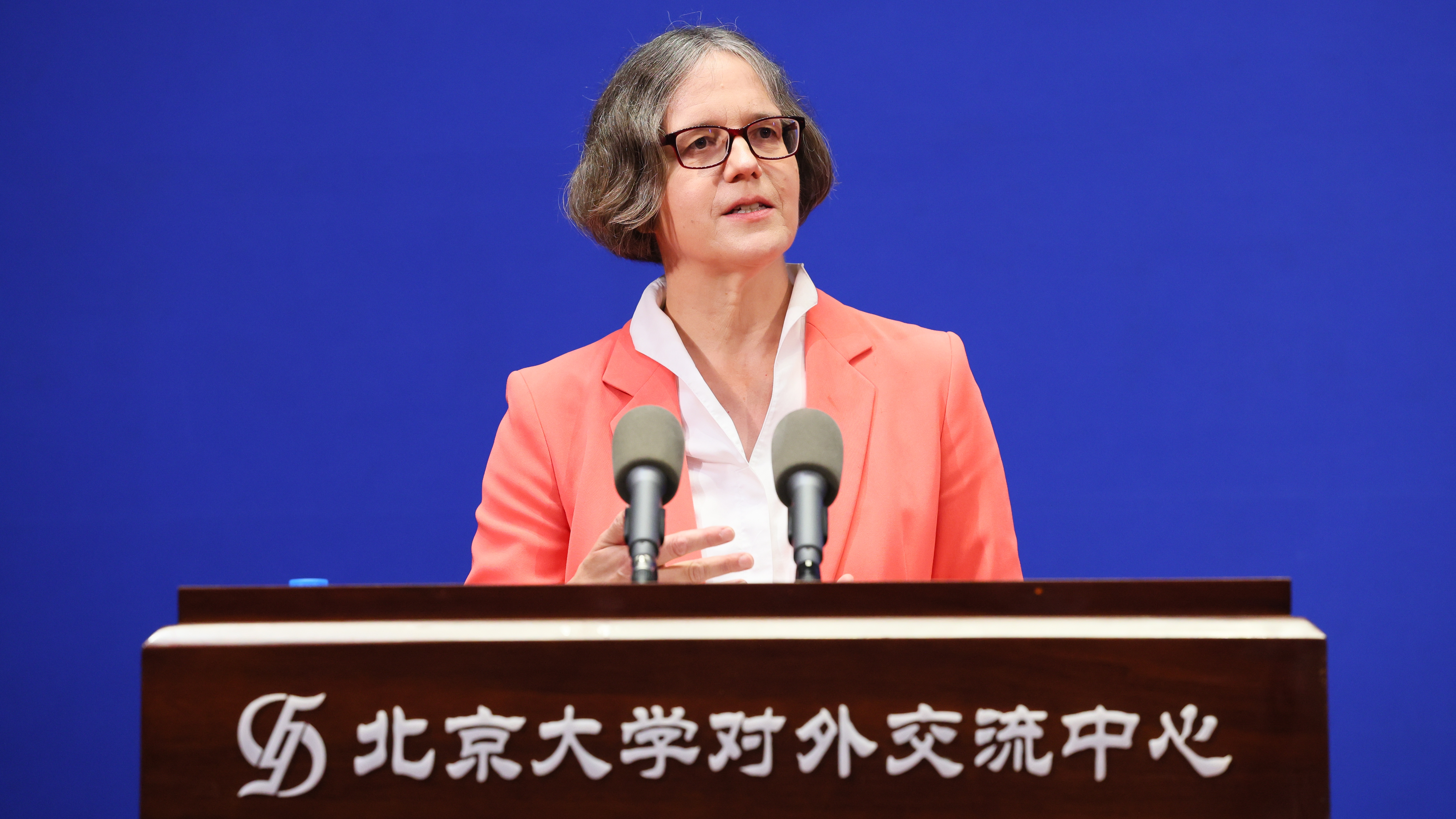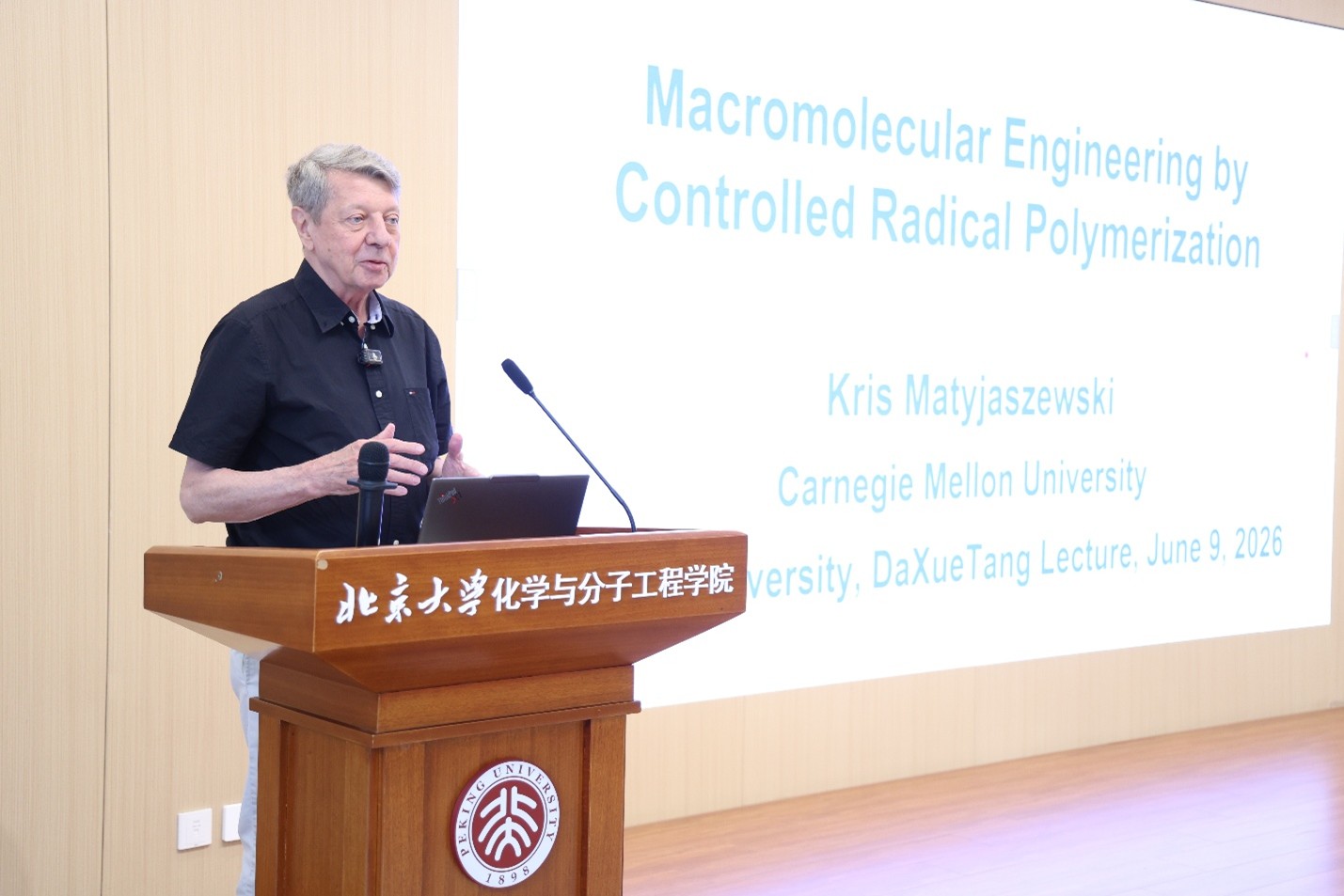
Professor Krzysztof Matyjaszewski delivered a lecture at Peking University on June 9 as part of the DaXueTang Lecture series.
Peking University, June 22, 2026: As part of Peking University's DaXueTang Lecture series, Professor Krzysztof Matyjaszewski, a member of the U.S. National Academy of Sciences and the U.S. National Academy of Engineering, Wolf Prize in Chemistry laureate, and J.C. Warner University Professor of Natural Sciences at Carnegie Mellon University, delivered a lecture on June 9 titled "Macromolecular Engineering by Atom Transfer Radical Polymerization."
From clothing and electronics to biomedical materials and construction products, polymers are indispensable to modern life. Yet many conventional polymers are structurally ill-defined, functionally limited, and difficult to recycle, leading to resource waste and environmental challenges. For polymer chemists, a key goal is to design macromolecules with precise structures and controllable functions at the molecular level.
As a pioneer of atom transfer radical polymerization (ATRP), Professor Matyjaszewski holds immense prestige in the international polymer community. The copper-catalyzed ATRP method he developed in the 1990s enabled precise control over radical polymerization under mild conditions, ushering in a paradigm shift in polymer synthesis. Over the past three decades, ATRP has evolved into a versatile platform for green and controlled polymerization, including photoinduced, electrochemically mediated, and mechanochemical ATRP. These advances have found wide applications in high-value fields such as coatings, biomedical materials, electronic packaging, and self-healing elastomers.
In his lecture, Professor Matyjaszewski explained how ATRP regulates highly reactive free radicals through a reversible activation–deactivation process. By allowing growing polymer chains to repeatedly switch between active and dormant states, ATRP enables precise control over molecular weight, dispersity, chain composition, topology, and functionality. The lecture further demonstrated how macromolecular architecture directly determines material properties and applications. Professor Matyjaszewski presented examples of bottlebrush elastomers, tissue-adaptive hydrogels, self-healing PMMA-PBA copolymers, and organic nanoparticles with tunable size, rigidity, fluorescence, and water solubility. These examples showed how controlled polymerization can connect molecular-level design with advanced functions such as softness, elasticity, self-healing, stimulus responsiveness, and potential biomedical or delivery applications.
After the lecture, students and faculty engaged in an active discussion with Professor Matyjaszewski on how polymerization reactions can be precisely controlled and how fundamental discoveries can be translated into industrial applications.
Reported and written by: Akaash Babar
Edited by: Chen Shizhuo