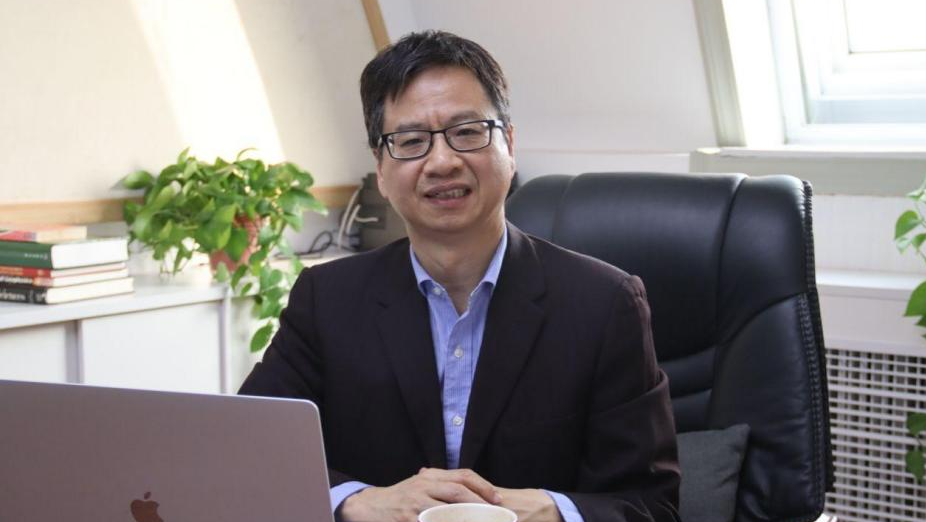
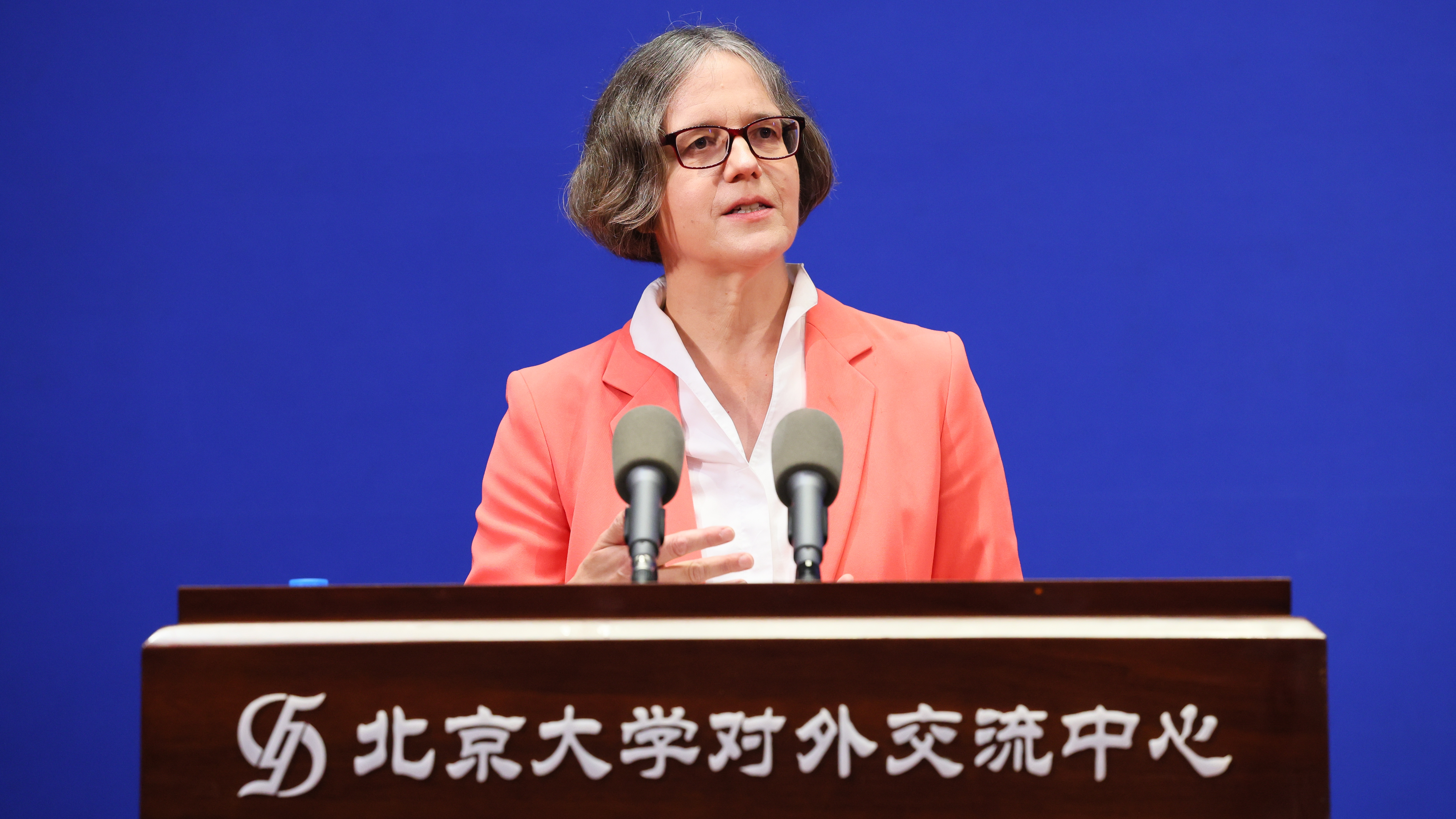
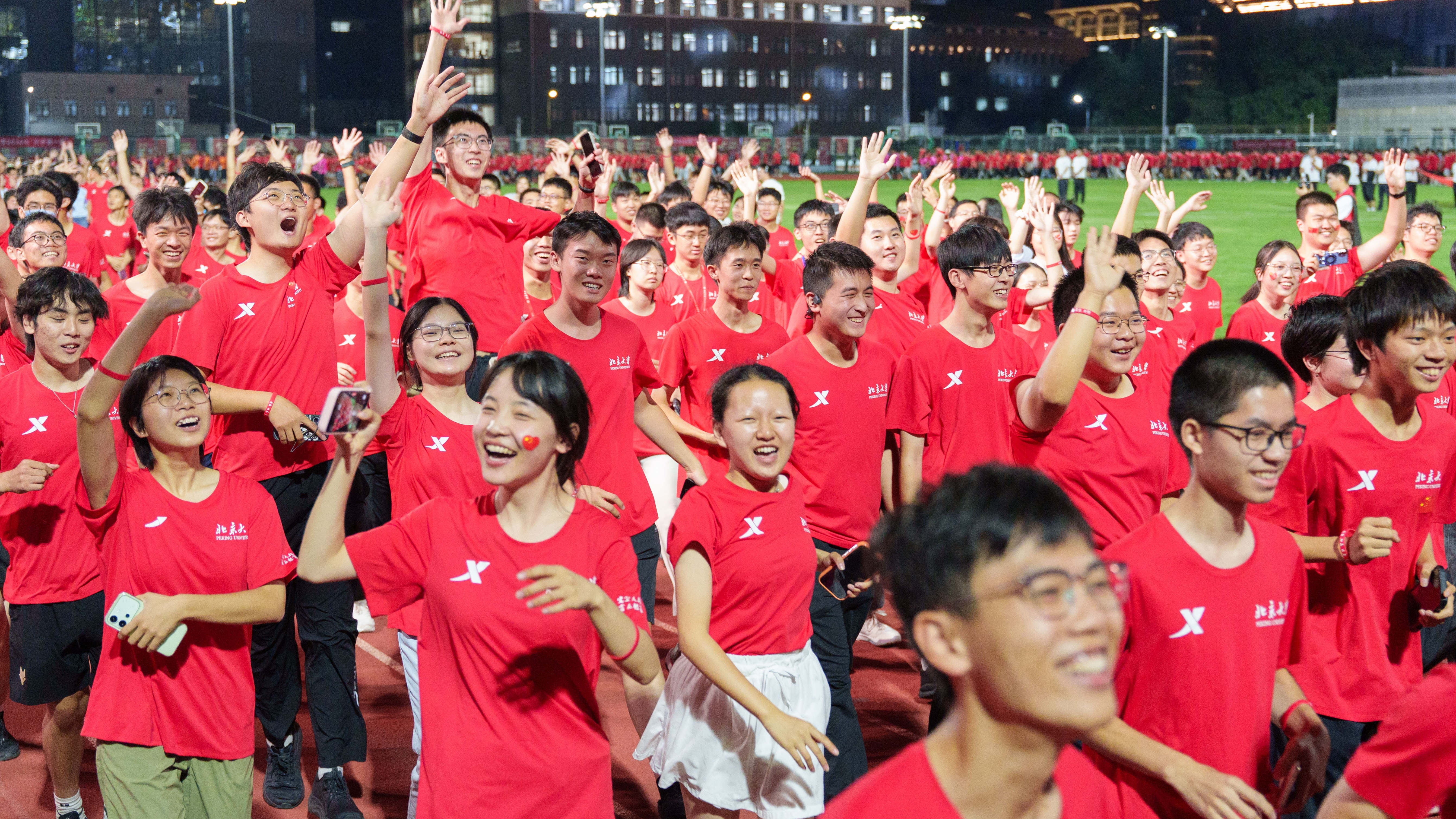
Peking University, January 30, 2026: Editor's note: In our Mastering Mandarin series, we spotlight international students learning Chinese, each with their own reasons, goals, and inspirations. For Primrose, learning Chinese at Peking University has opened new paths, linking culture, career, and global connections.

Tiptanya Monkonkoon (Primrose), a first-year master's student from the School of New Media, Peking University.
When did you start learning Chinese?
"Studying languages used to be an obstacle for me, even though I grew up multilingual," she said. "Yet I never backed down from challenges."
Just 5 months ago, before joining Peking University, she had only begun learning Chinese with the goal of expanding her horizons and making new friends.

"I believe studying Chinese will help me reconnect with my background as a Thai-Chinese person whose family initially emigrated from China. Knowing the language will advance both my academic and career aspirations, I see this as an opportunity to connect with international students with similar interests."
Born of Chinese descent, Primrose felt that learning Chinese would bring her closer to her cultural roots.
"It would be meaningful for me to be able to tell my great grandmother and great grandfather that I have come back to China, that I am already home."
Hence, this has become the beginning of her Chinese language learning story.
How will Chinese language help you in your field of study?
"After enrolling here, I have come to see the Chinese language as more than just a means of communication. I see opportunities and connections." She often looks up to her seniors who now work at leading companies such as ByteDance, Tencent, Baidu, and others. "That was a turning point for me," she recalled. "I realized that the more I am able to communicate in Chinese, the more people I can connect with and learn from. Especially if I want to work in big companies with Chinese clients."
Not long ago, her class invited a guest speaker to give a lecture on documentaries in China. She was inspired by how they introduced Chinese culture to the world in such a fun and engaging way, which further strengthened her interest. She also hopes that one day, she can help introduce China to audiences in her own country.
 What is studying Chinese like here at PKU?
"Learning Chinese at PKU is so fun! Our teacher, Mr. Sun, is very kind and patient. His lessons are engaging, and he always encourages students to communicate. I think this class brought all of us closer," she recalled. "For homework, we usually get just one assignment per week, along with a dictation test on Fridays."
Primrose thinks this approach is very effective because it allows her to review the material. "The workload feels manageable, so we can focus more on actually understanding the lessons rather than rushing to finish tasks. Moreover, it gives us more confidence when speaking in class, since we have more time to properly practice grammar and vocabulary," she concluded. "Overall, I feel like I am making steady progress without feeling overwhelmed."
 What kind of difficulty did you face?
"The beginning was challenging because Chinese grammar is different from English. On top of that, writing Chinese is quite difficult for me, since my own language has a completely different writing system."
Primrose faced a difficulty with writing because Thai language has a different system compared to Chinese characters. But she managed to find a solution. "I often spend extra time practicing characters to make sure I remember each stroke correctly."
Despite the difficulty, she persevered. "The more I learn, the more fascinated I become, especially with Chinese characters. Each character originates from ancient pictographs. Every stroke carries meaning, which makes the language incredibly historical and beautiful."
What is your study method? Can you share some tips and tricks for learning Chinese?
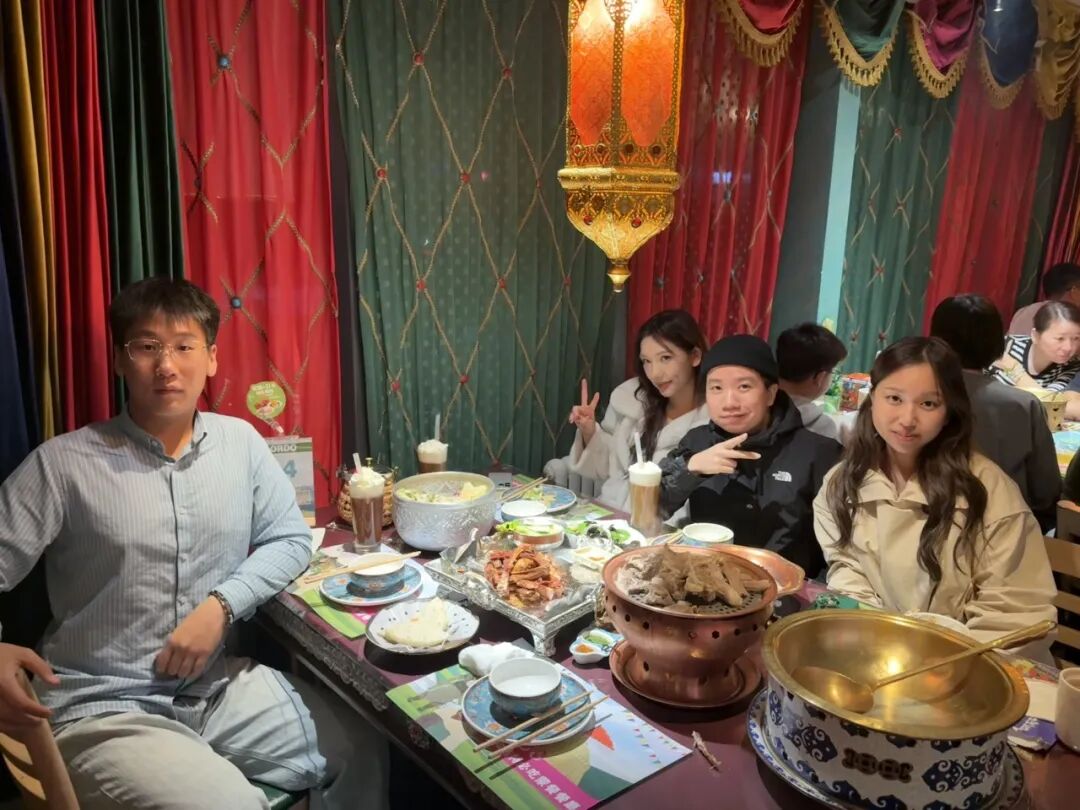
"I stay on track by practicing with my Chinese friends. We often explore Beijing together on weekends, where I get to experience authentic local culture and chat with native speakers. I think that really helps. It's all about fitting in and enjoying the experience."
Learning Chinese is all about experience. She also shared her field trip story that enabled her to communicate with more native Chinese speakers.
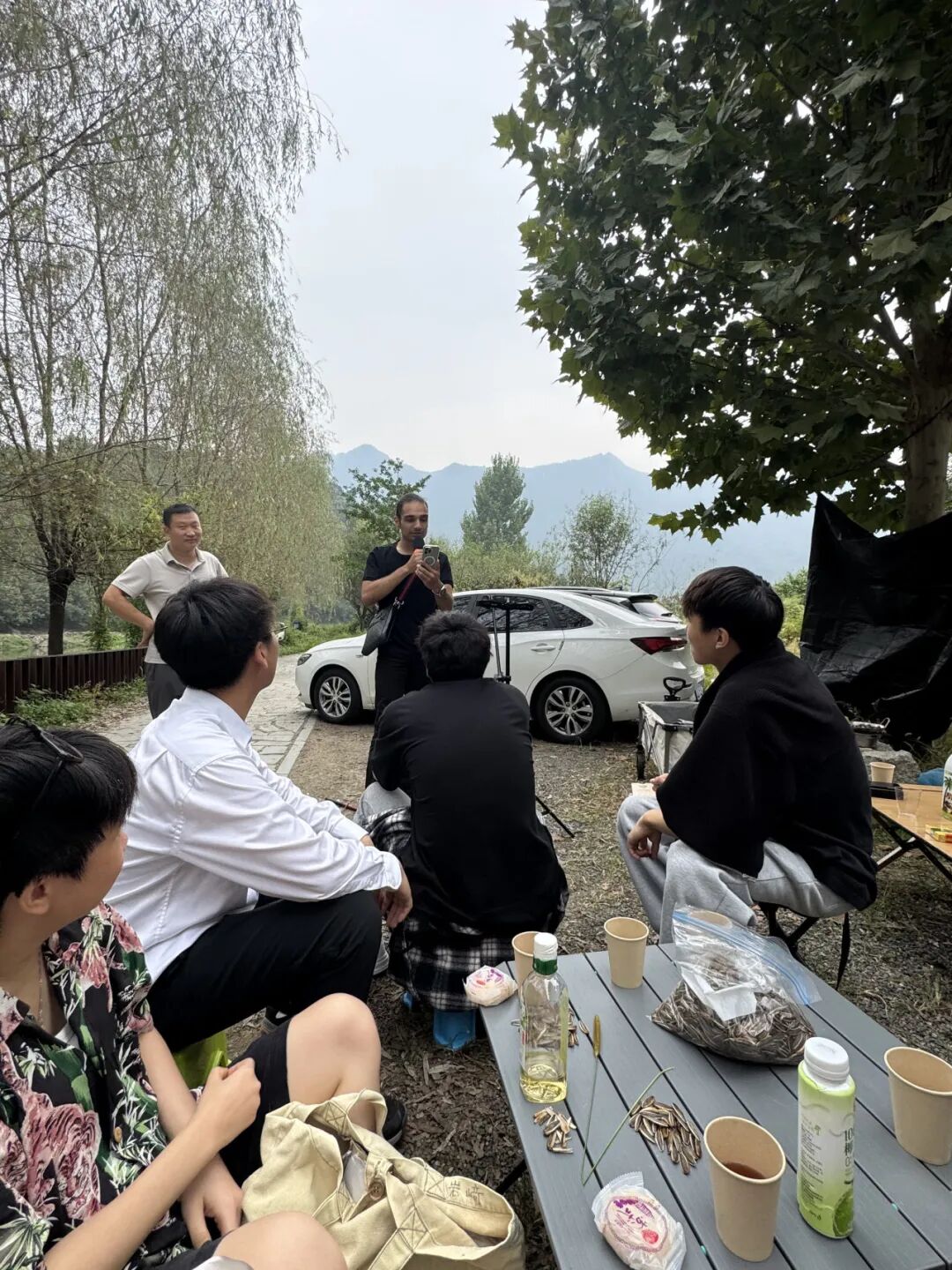
"One time, we went on a field trip to a village called Siduhe, and the local people invited us to sit with them. They asked me about my background and my study life in Peking University, sang to me, and even shared their snacks with me."
Hearing the people's interest by asking questions, Primrose tried to respond despite her limited fluency. "At that time, my Chinese was not very good, but I wished I could communicate with them better because it would have been so much more fun."
This experience enabled her to continue her language learning journey. "I try to practice writing regularly. Every day, I write down new vocabulary, their meanings, and examples of the word's usage so I can review them later. This method really strengthens my understanding of writing and makes me less afraid to speak in real-world situations."
She also shared more enjoyable methods in learning Chinese. "I watch Chinese dramas and variety shows to get familiar with casual expressions and speaking styles. When I hear a phrase I don't understand, I look it up and add it to my vocabulary."
Primrose believes that using the language continuously, both inside and outside the classroom, is the fastest way to improve learning. "Progress can only happen when there is a willingness to learn consistently."
Do you have a favorite 成语?

"'机不可失, 时不再来', which translates to 'opportunities cannot be wasted as they only come once'."
Primrose believes that studying at Peking University is the perfect opportunity to grow. "My program only lasts for 2 years, and this moment will never come back. Therefore, I want to make the best out of my experience here, whether it be gaining knowledge, learning Chinese, or having more friends, and ultimately becoming the best version of me that my future self can look back on and be proud of."
Writer: Tiptanya Monkonkoon
Editor: Nicole Ang, Wang Zihan, Chen Shizhuo
Photo: Courtesy of the interviewee