Peking University, February 6, 2026: Editor's note: In our Mastering Mandarin series, we spotlight international students learning Chinese, each with their own reasons, goals, and inspirations. For Kayshia, learning Mandarin is closely tied to her cultural connection and her passion for teaching Chinese to others.
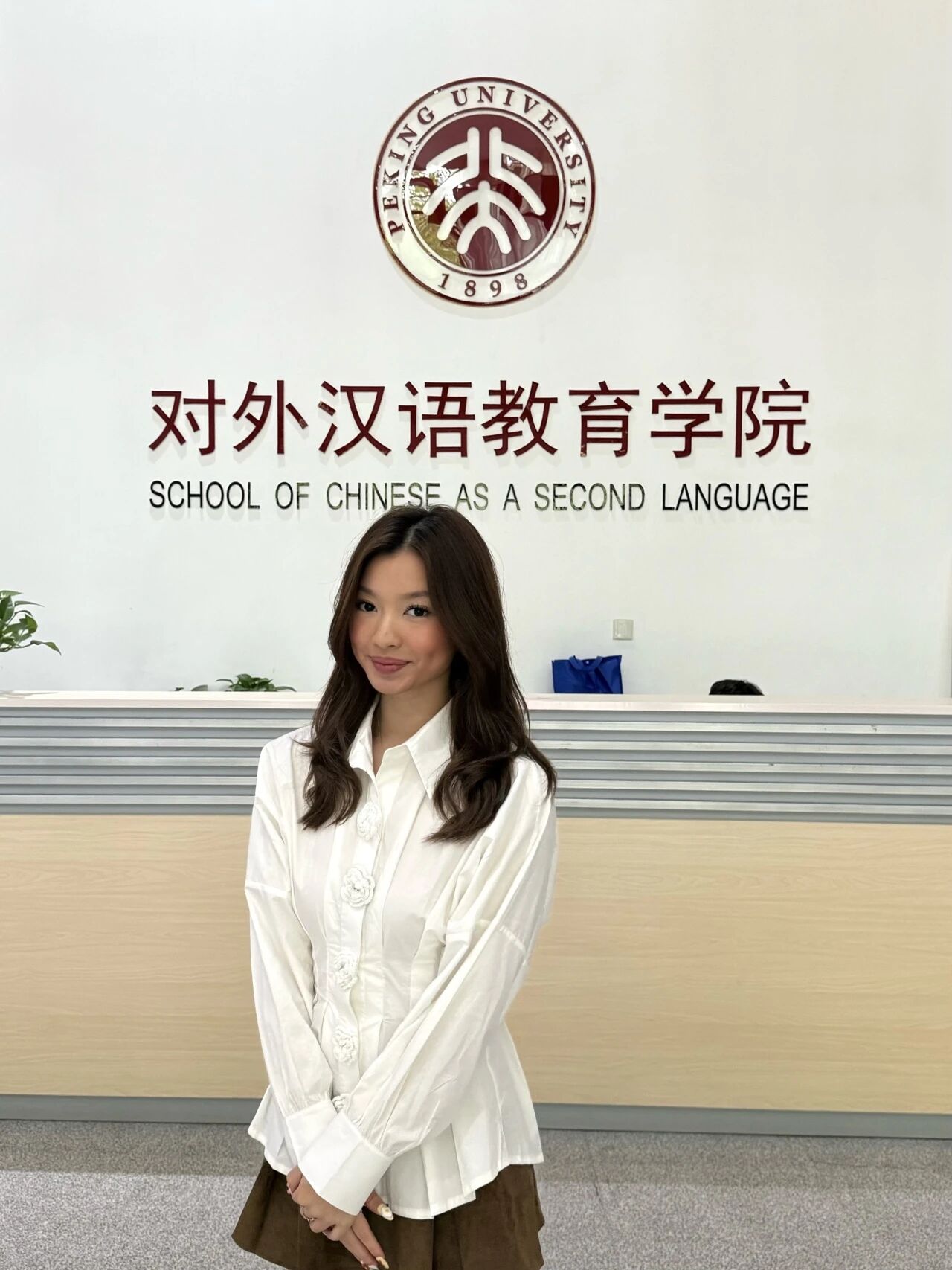
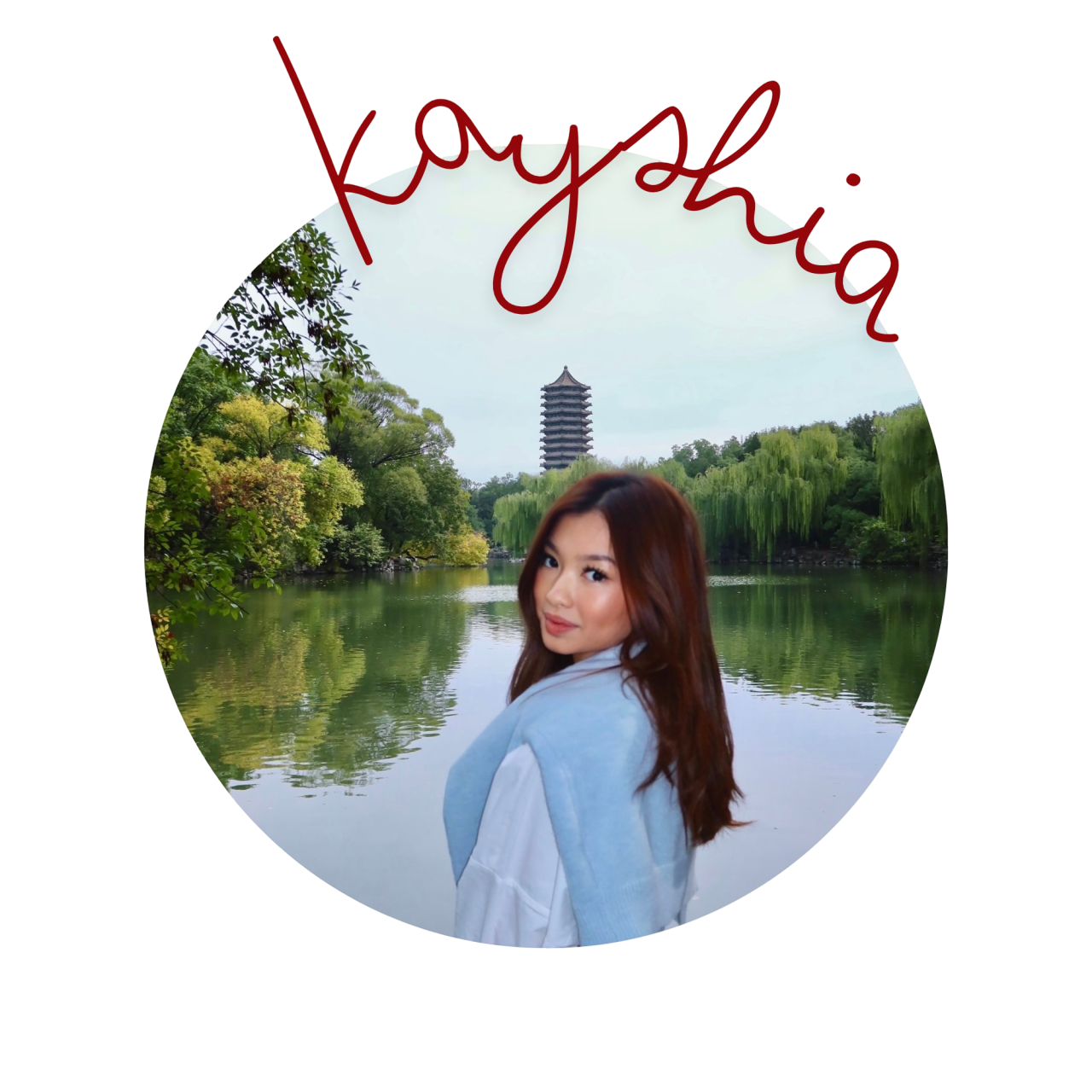 Kayshia Amberly Wijaya, an Indonesian student pursuing a Master's degree in Teaching Chinese to Speakers of Other Languages (MTCSOL).
Why did you start learning Chinese?
Kayshia Amberly Wijaya, an Indonesian student pursuing a Master's degree in Teaching Chinese to Speakers of Other Languages (MTCSOL).
Why did you start learning Chinese?
"I grew up in a Chinese-speaking household, so Mandarin was always around me. But as I got older, I realised it wasn't just another language; it was part of my roots."
Kayshia shared how her Chinese-Indonesian family connected her to speaking and understanding Chinese as both language and her cultural roots. She also shared how she feels incredibly lucky with her cultural background. Growing up in a Chinese-speaking home made her reflect on how precious it is. It made her want to understand the language properly, to reconnect with the culture it carries, and to keep it alive in a way that the generation before was unable to. She began to realise how important it is to intentionally maintain the language and culture, not just as a 'heritage,' but as something meaningful to pass on.
Why did you choose Peking University?
"For me, choosing PKU wasn't just about its global reputation. It was about the people and the opportunities here. The teachers are truly exceptional, especially in my major."
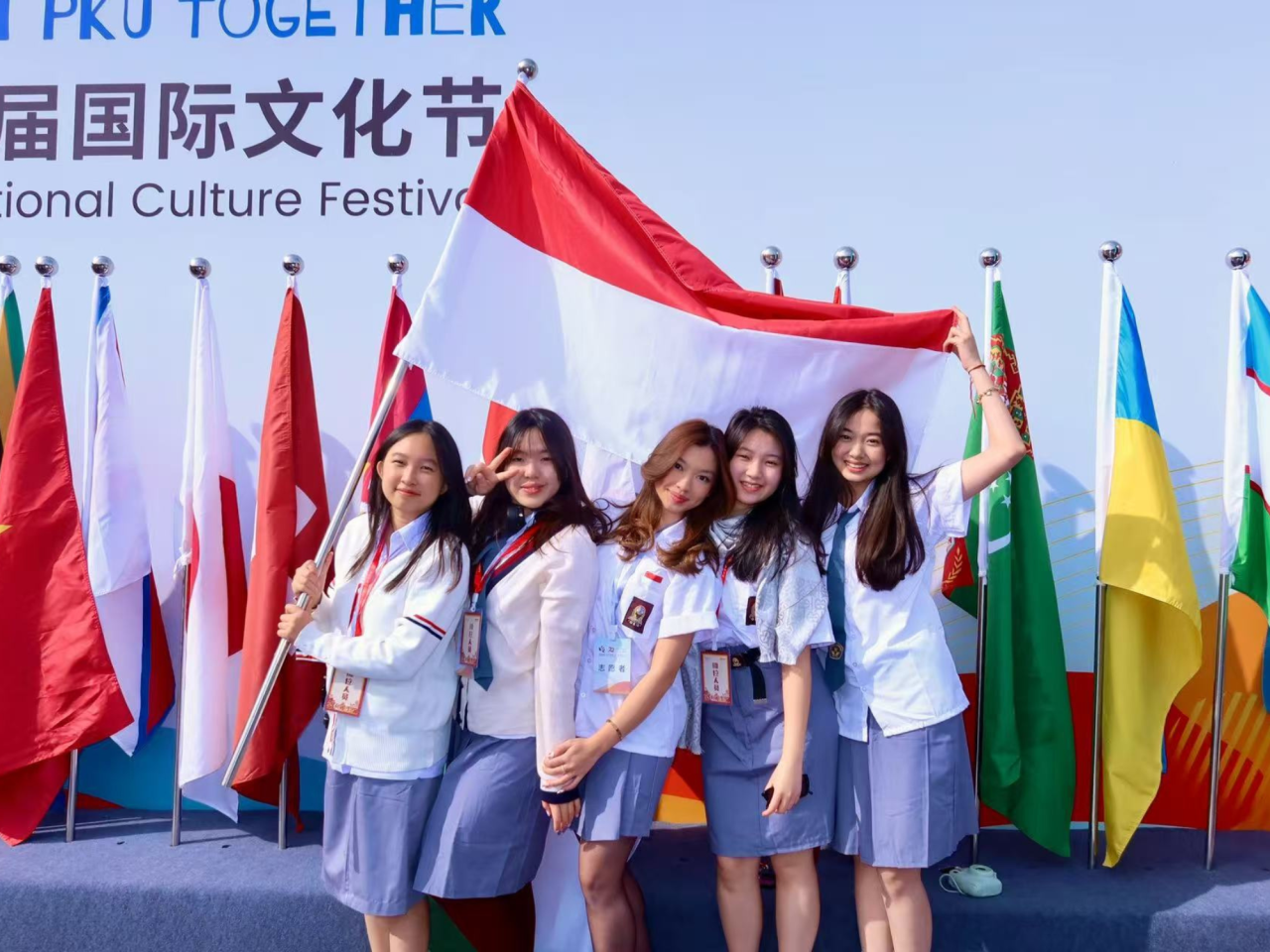
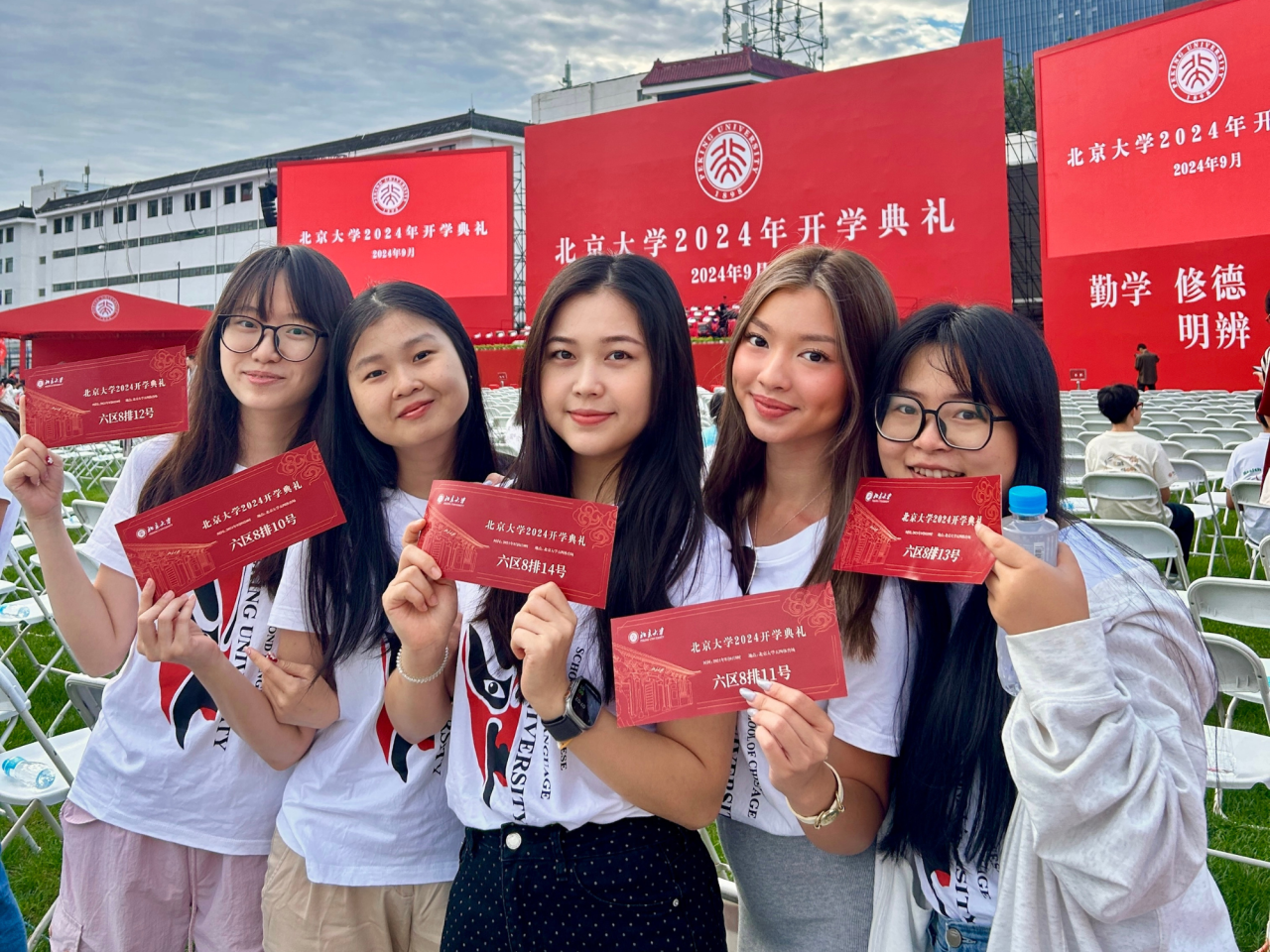
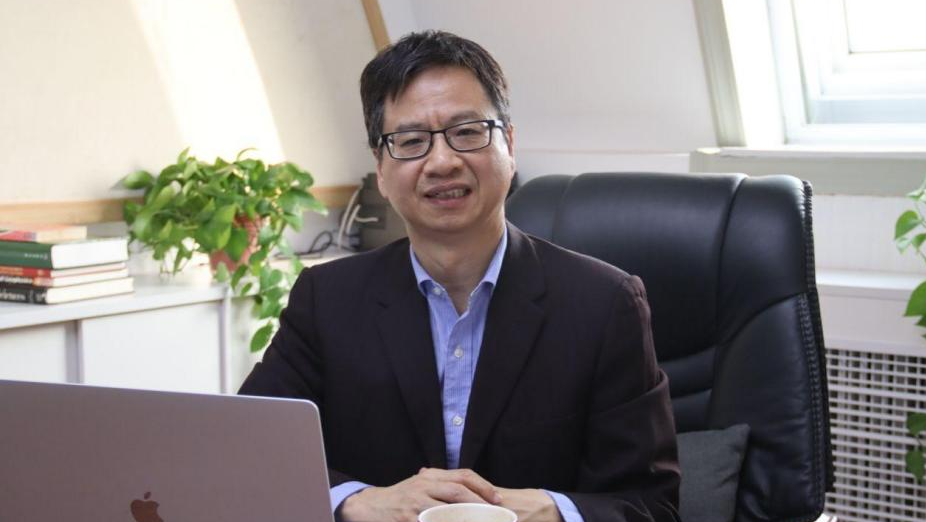
Kayshia's life at Peking University.
People and opportunities led her to choose the campus. She had a personal "bucket list rule" that wherever she studied, she wanted to experience teaching in local schools as well, so she could truly understand how children learn in that culture. She shared, "one of my biggest dreams was to work in early childhood education here, and PKU made that possible." She was able to apply what she learned by working in Peking University Elementary School, practicing everything she studied to reality.
Did you face any difficulties and how did you overcome them?
"Despite growing up in a Mandarin-speaking household, I never received systematic Mandarin instruction. I struggled most when I decided to undertake a master's research project in full academic Mandarin."
She encountered challenges in her Master's degree as there were so many terms she didn't know. To add to this, her classmates had been reading Chinese academic papers their entire lives, while she was still struggling to understand the terms and find relevant sources.
Despite the hurdles, what helped her grow was allowing herself to step into more opportunities, such as hanging out with both local and international friends. This has forced her to speak Mandarin, even when she was scared or shy. Slowly, she started to build confidence.
Do you have any tips for learning Mandarin?
"Immerse yourself completely and try your best not to switch languages. Stay in a Mandarin-only environment as much as possible."
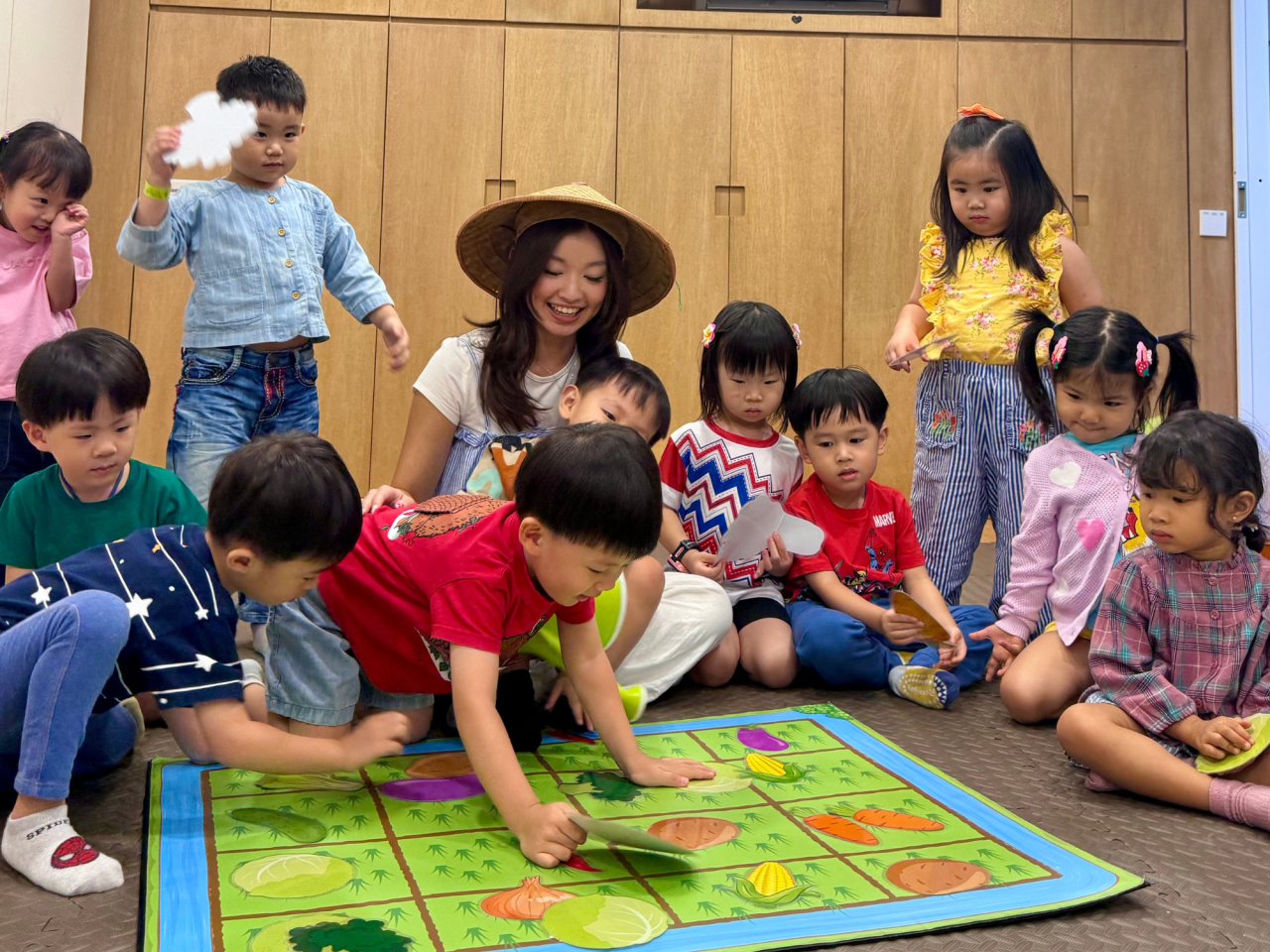
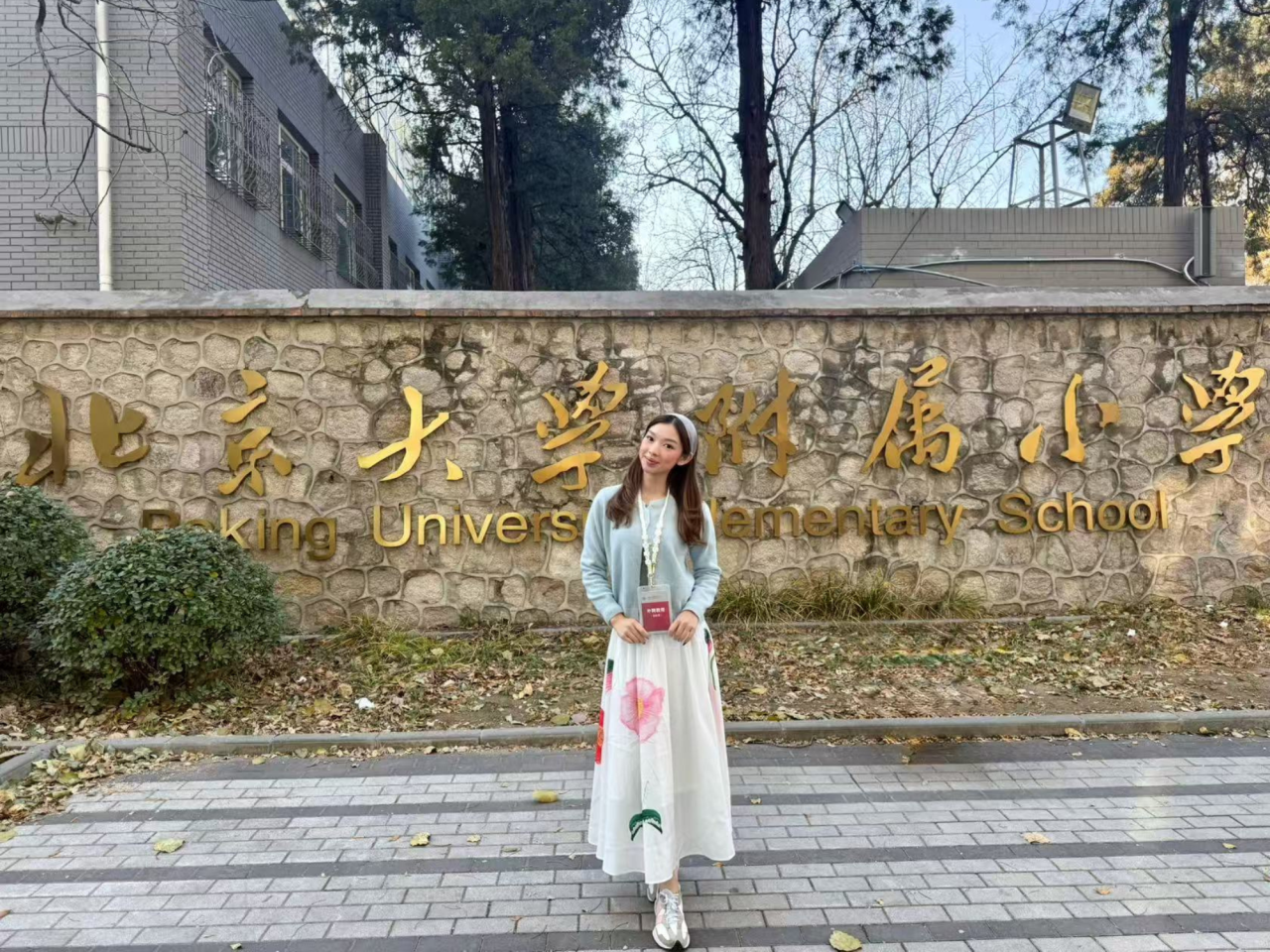
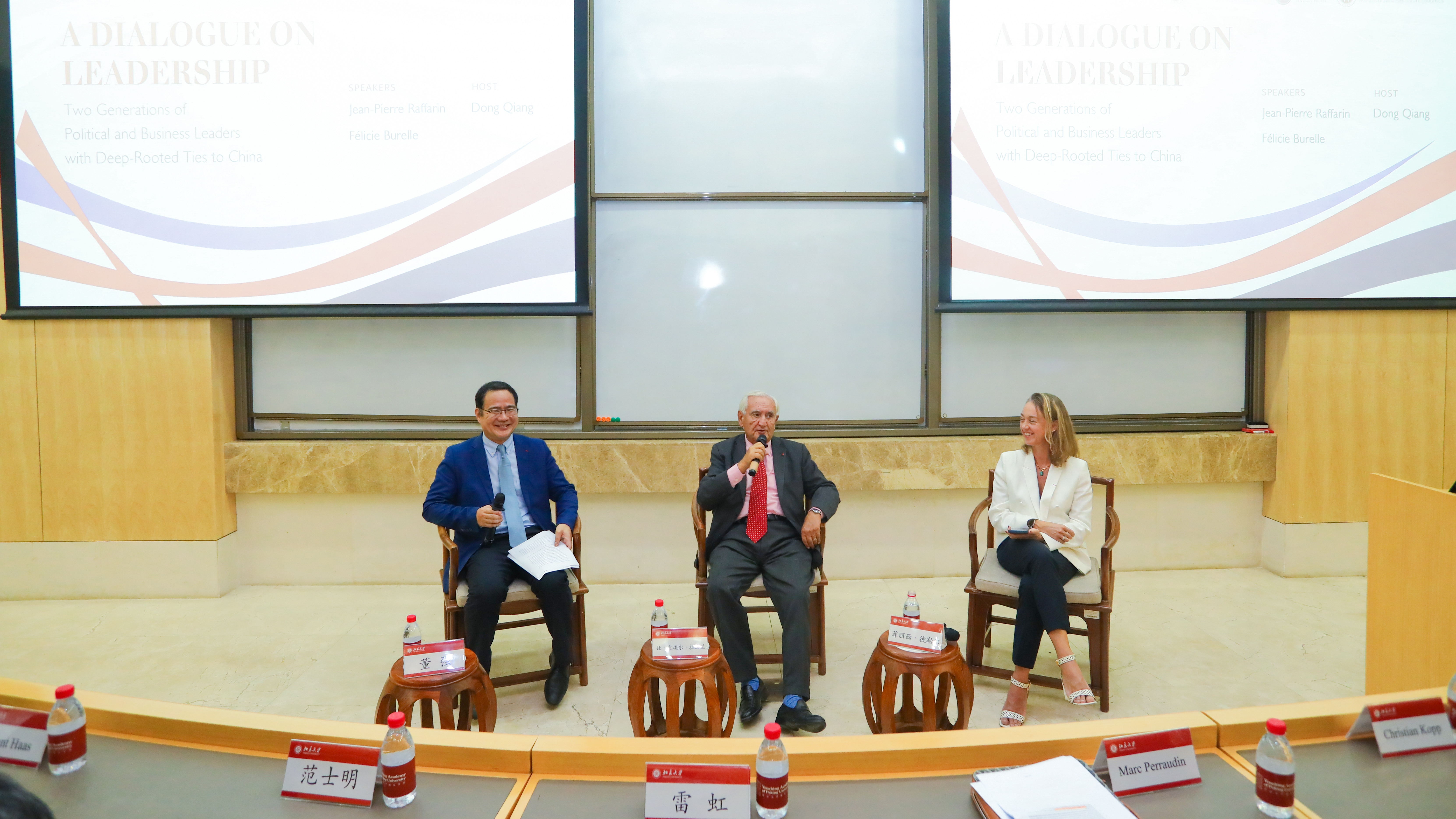
Kayshia's teaching experience in Peking University Elementary School.
Those were the tips she believes are essential for learning Mandarin. She also shared her personal experience in PKU Elementary School. "When teaching, I pretend I can only speak Chinese or English to my students, and if they don't understand, then I have to rely on my body language and facial expressions to convey my message."
Was there a memorable moment that made you feel closer to China?
"One moment that really stayed with me was experiencing the Mid-Autumn Festival in China for the first time."
This celebration was a special moment for Kayshia. She further shared, "In Indonesia, the Mid-Autumn Festival celebration only meant mooncakes," then adding that she didn't "grow up with the full cultural experience because so much of it had been lost in the previous generation."
"In China, everything suddenly came back to life. I remember going to a Mid-Autumn event in the dorm with my international friend." Kayshia was amazed because the event brought people of various nationalities sitting together, making lanterns, doing crafts, sharing stories, and laughing. In that moment, Kayshia mentioned, "I felt something warm and strangely familiar." She was reconnecting with a piece of culture that belonged to her.
The moment brought her a realization that culture is beyond just a tradition. It's a connection that brings people together in the simplest and warmest ways.
What is your favorite Chinese proverb?
"I have always believed in '要加油,也要往正确的方向走' which means working hard is important, but how you learn matters just as much. Although Mandarin is a challenging language, surprisingly, it motivated me even more." Kayshia's determination in mastering the language also induced her passion to teach the language.
"Another proverb I hold very close is '有教无类', the belief that education is for everyone. As an educator, I don't think teaching is about only guiding the 'smart,' 'easy,' or 'cute' students; it's about seeing the potential in every child, especially the ones who need the most patience, time, and love.”
Kayshia believes in studying persistently to realize her passion in teaching. Thus, holding onto those sayings as fundamental principles has consistently guided her to her next step in mastering Chinese.
Written by: Jenika Huang
Editted by: Nicole Accalia Angriawan, Wang Zihan, Chen Shizhuo
Photo: Courtesy of interviewee