Editor's note: Peking University this year has had the honor of having 6 of its professors elected into the Chinese Academy of Science and the Chinese Academy of Engineering, a convincing demonstration of its prowess in research and innovation. In this series, we unpack the stories behind the scenes regarding to those distinguished scientists, shedding light on their professional journey and their personal side, informing a well-rounded profile.
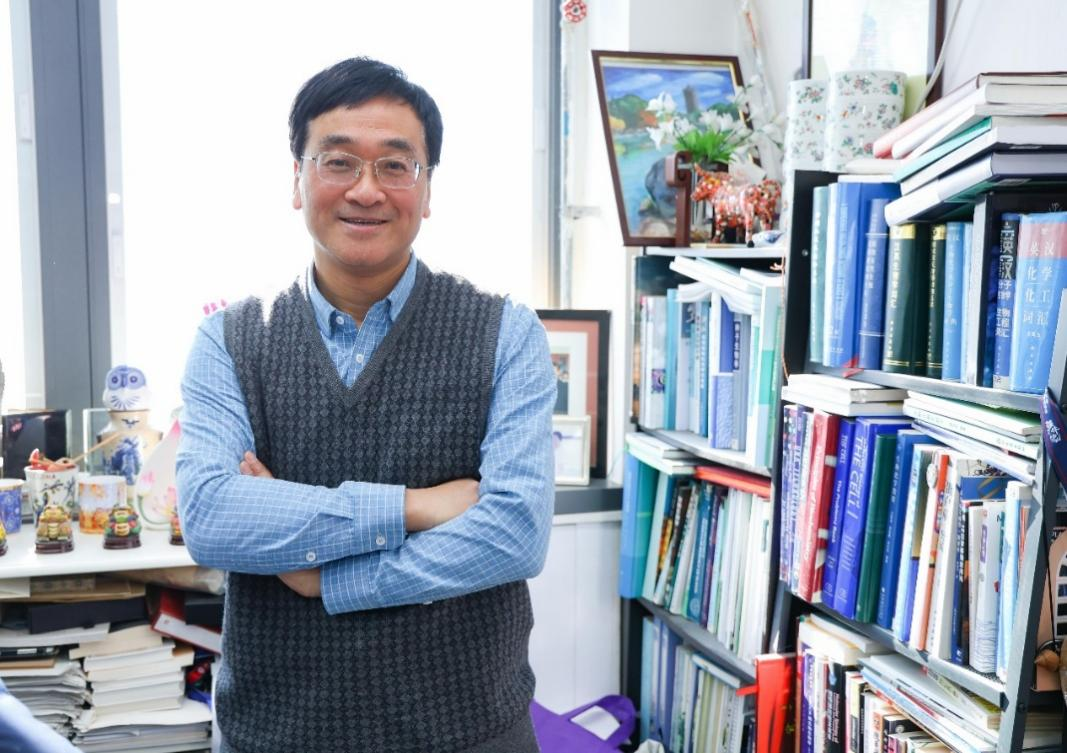
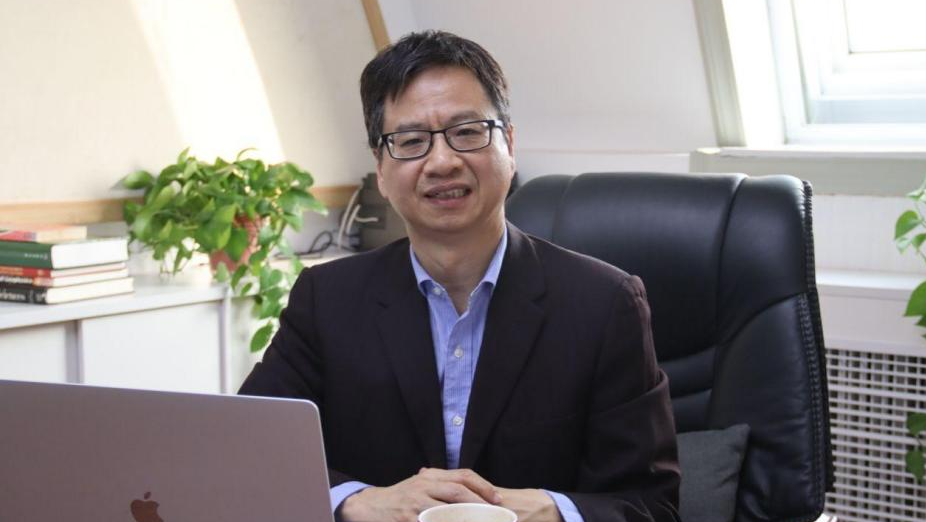
Qu Li-Jia, an academician of the Chinese Academy of Sciences and professor in the College of Life Sciences at Peking University.
Peking University, March 5, 2026: Over the last two decades, Qu Li-Jia has pursued an important question with sweeping implications: What determines plant hybridization? Understanding how flowering plants accept or reject pollen could unlock both the secrets of plant reproduction and the potential for developing new crop varieties.
Qu's journey into plant sexual reproduction began with a sense of exhaustion. After his notable publication in The Plant Cell on auxin regulation in 2005, he found himself at a crossroads. The low-hanging fruit in plant hormone research had been plucked; what remained were tangled webs of multi-factor interactions—scientifically intractable.
Seeking a more fulfilling research direction, Qu turned his attention to plant reproduction. Surveying the existing literature, he was struck by a puzzling gap: Despite its agricultural importance, the molecular mechanism behind fertilization remained largely mysterious. "I had a hunch this might be where I could make a difference, so I gave it a try, and it turned out to be really fascinating," Qu recalled. "After decades of wandering, I felt I'd finally found my passion."
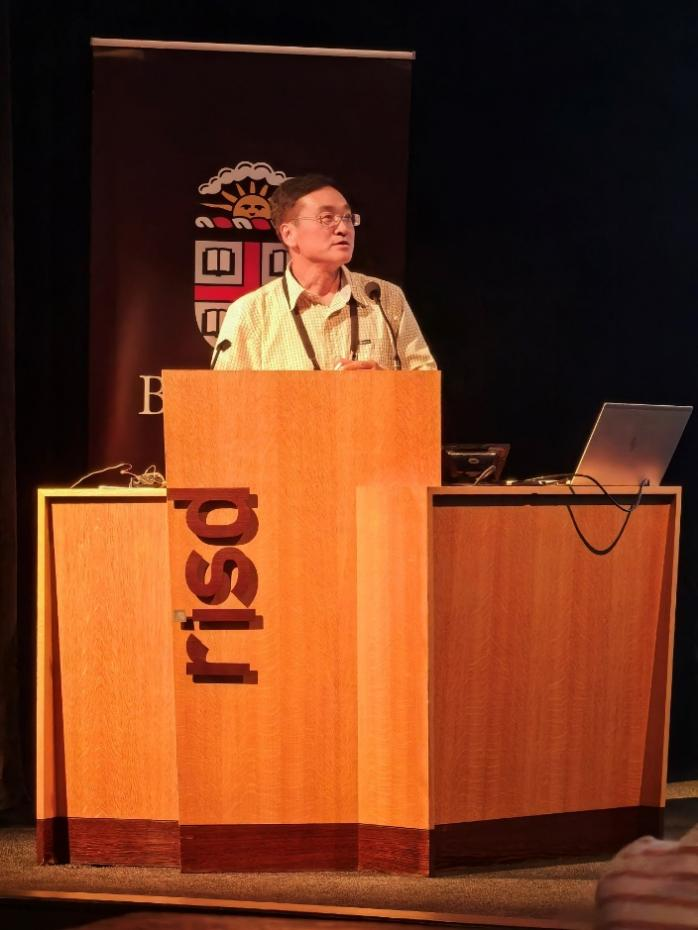
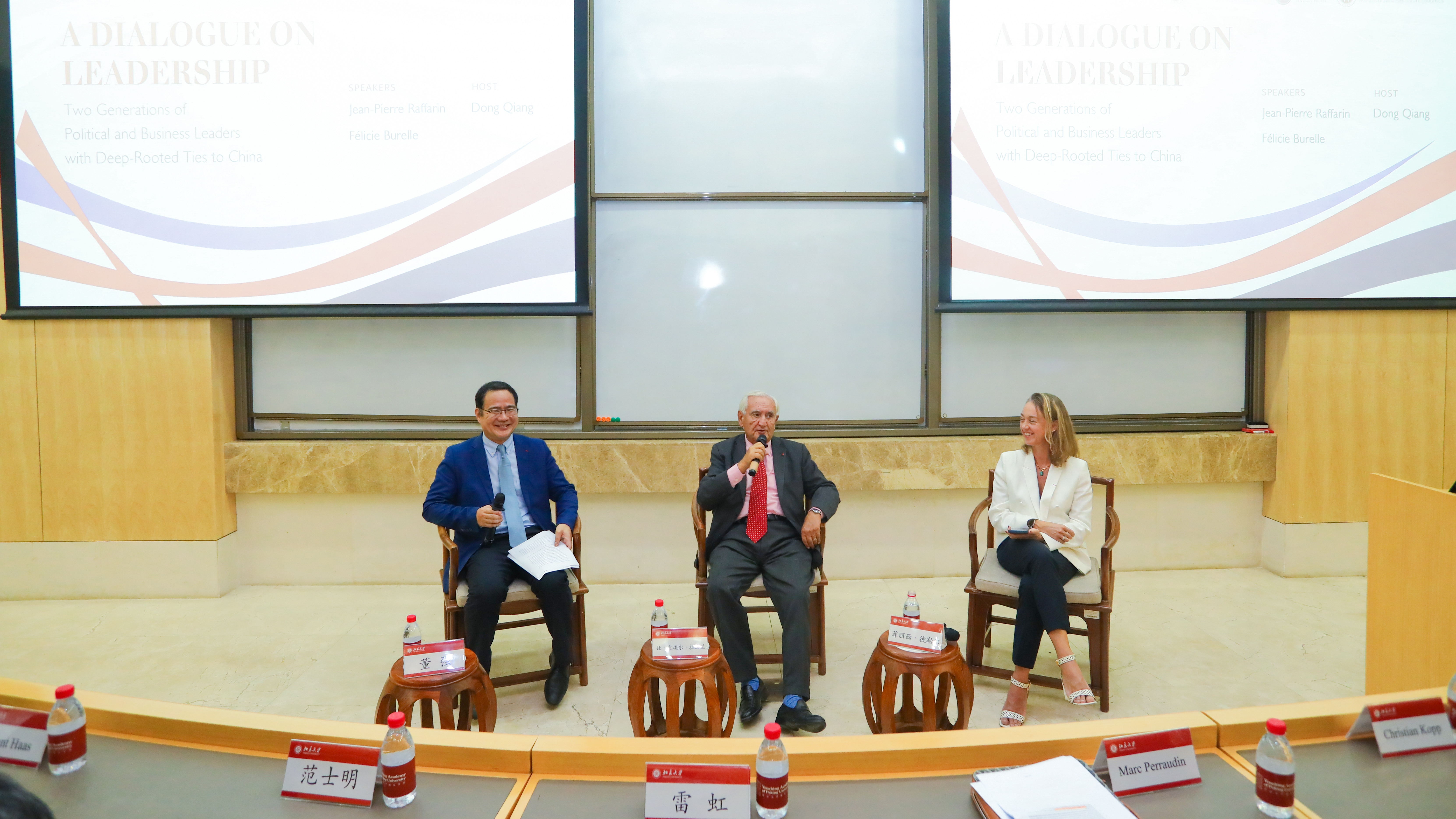
Qu giving a presentation at the International Conference on Sexual Plant Reproduction.
Back in 1985, Qu entered Peking University as a biology freshman and has stayed ever since, rising through the ranks to become a leading plant biologist. "As a veteran PKUer, I keep on me the very spirit that shapes this place—a profound love for our country and our nation," said Qu. "I like Chinese history. When you read through the five thousand years, you see how much our people suffered—how hunger became our collective memory."
He then drew on his own hardscrabble come-up story as a reflection on the dizzying progress made in China, a source of his patriotism. “There's no excuse not to do everything I can with my expertise to ensure Chinese people not only have enough to eat, but enjoy a wider variety of healthy food.”

Qu's book shelf with a photo of him and President Xi.
Throughout his years at PKU, Qu has made groundbreaking discoveries in understanding how pollen successfully navigates female reproductive tissues to achieve fertilization. He describes the journey from pollination to fertilization as passing through five critical checkpoints, or "doors" that must be unlocked in sequence. So far, his research group has deciphered the molecular mechanisms behind three of these doors.
Dazzling as the output may appear, the road remains always tough for researchers. Sustainable science requires sustainable scientists. In view of today's academic pressure, especially on the younger generation, Qu identifies anxiety as an unnecessary burden. "Why be anxious? Because you're comparing yourself so needlessly with others," he observed. "Don't measure your journey with the same ruler used for others. Everyone progresses at their own pace."
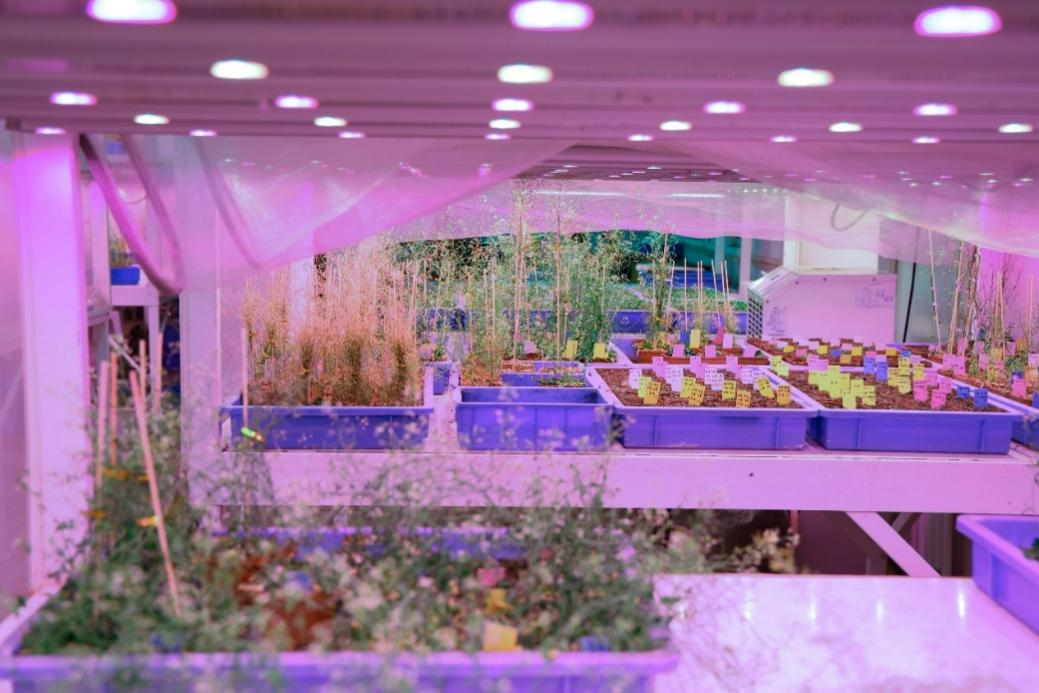
The plants for experiment in Qu’s greenhouse.
Qu often quotes the ancient Chinese proverb that "different people gain knowledge at different times," which shapes his vision for a collaborative lab community. "They (doctoral candidates) spend five or six years here, growing through research and learning. I want this period to become one of their most treasured memories, and this lab a place that feels like home, where they treat each other as family."
Qu has transformed his office into a casual café, where students drop by for conversations. In the WeChat group "Qu Lab Café", he announces new coffee bean arrivals, inviting everyone to unwind after intensive work. What begins as a tasting session rarely ends there. Over cups of coffee, conversations unfold naturally—from bold research ideas to deeper reflections on meaning and direction.
When summer arrives, Qu initiates what he calls "Watermelon Fund", purchasing for his team of plant biologists the very fruit that epitomizes the season. During afternoon breaks, the whole lab gathers over juicy slices, chatting as heat and tiredness melt away.
The lab culture extends beyond graduation. Former students return, not always for collaboration, but to reconnect with the place where they learned a crucial lesson: Excelling in science doesn’t need sacrificing work-life balance.
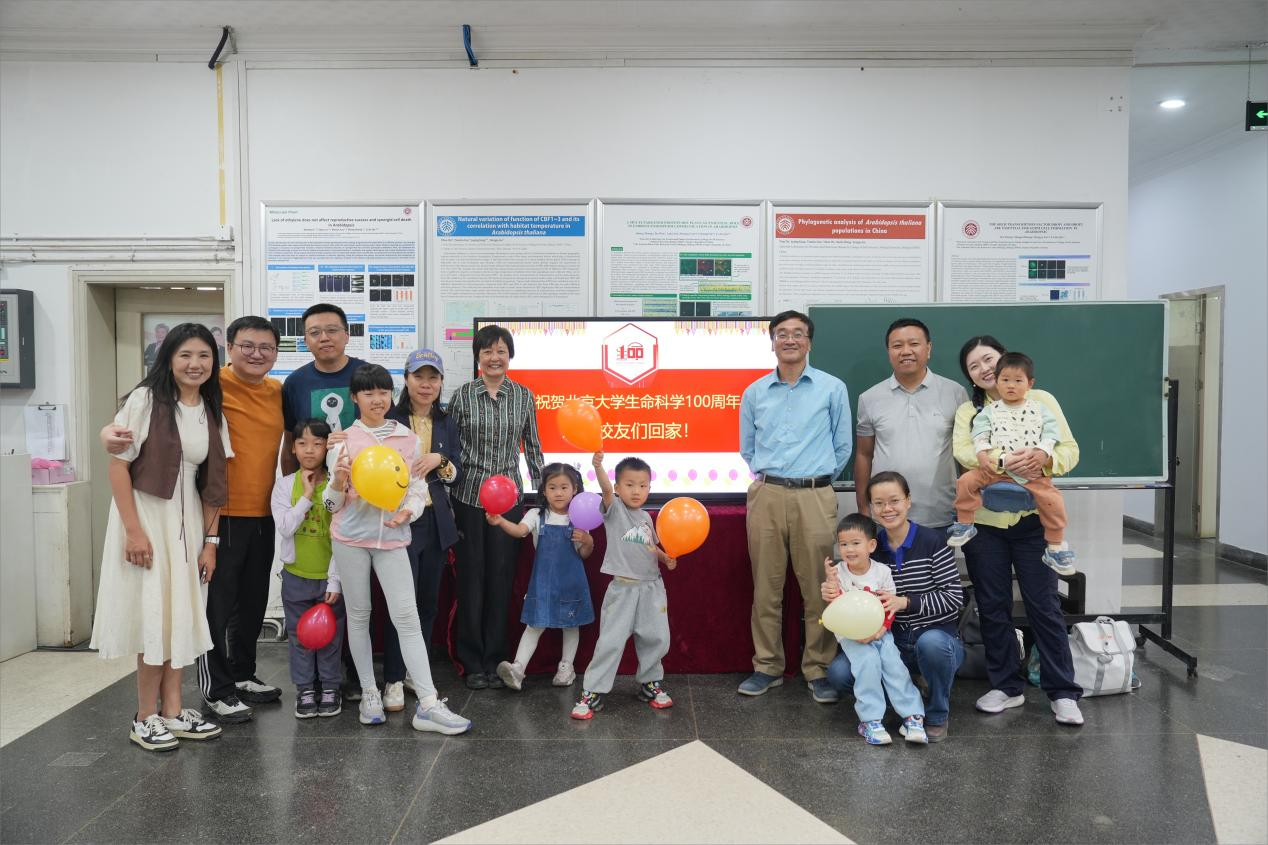
Qu and his graduated students during the centennial celebration of PKU School of Life Sciences.
Such cohesion, Qu believes, enables deeper insights. "Open communication sparks fresh research directions and career guidance," he noted. "At the end of the day, I want every one of them to be successful—to become the best version of themselves, whether in science or other careers."
Qu brings this love and care to his students, while these talented young scientists support him in pursuing a grand vision: to reveal the mechanisms underlying all five doors that limit distant hybridization.
"Think of the vegetables we consume today," Qu observed. "There are only about 150 species, which extend to perhaps 3,000 in total when including herbs and all edible plants, a tiny fraction against the 300,000 species of flowering plants on Earth."
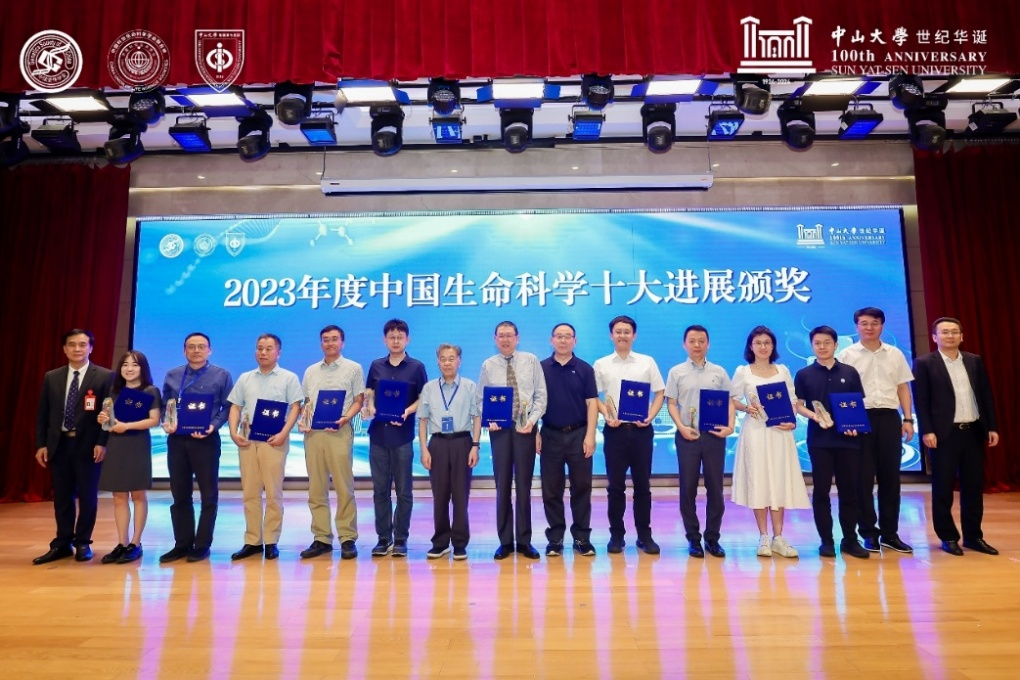
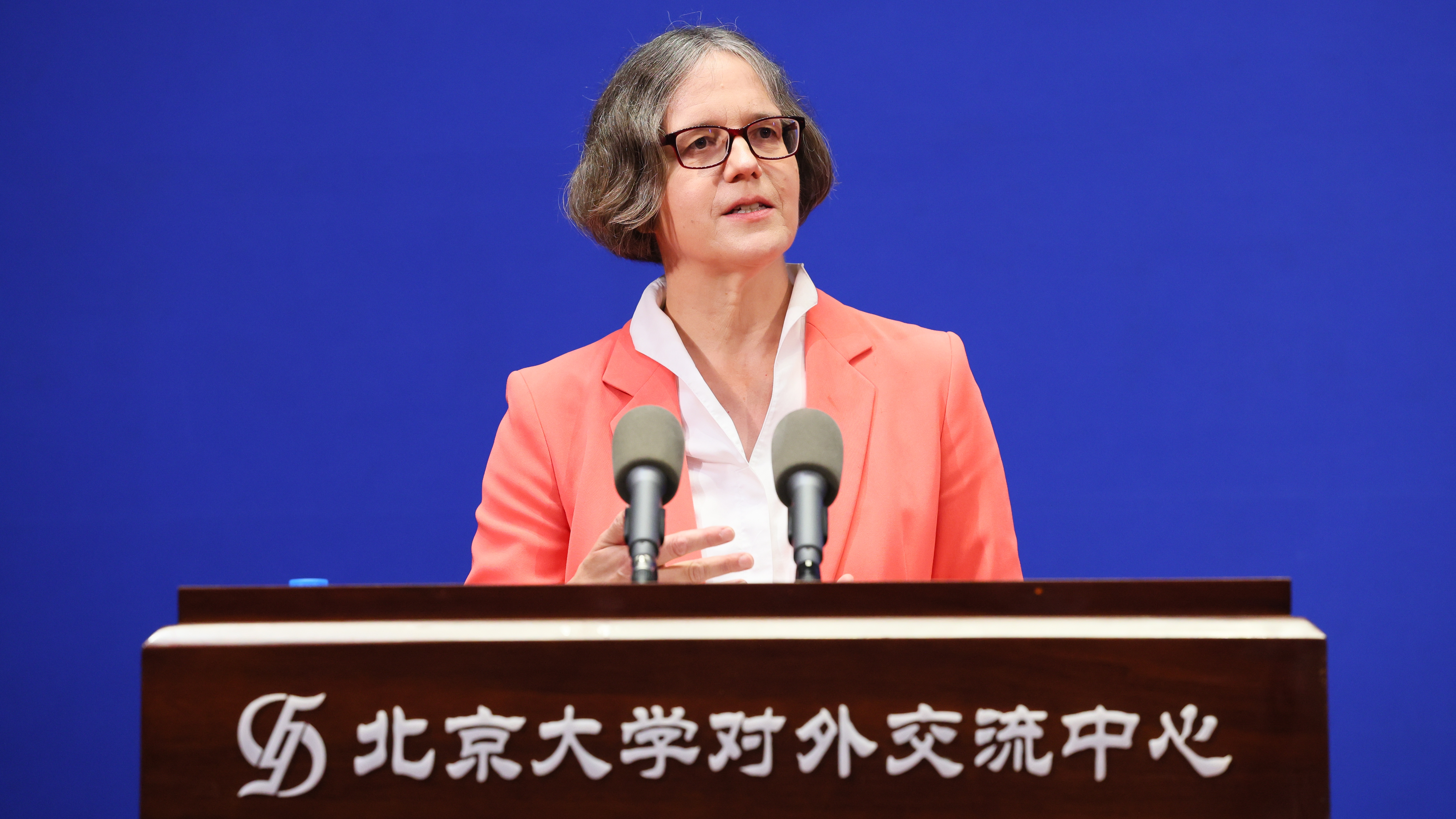
Qu was awarded at the ceremony for China's Top Ten Advances in Life Sciences in 2023.
"But once we achieve that, we'll have solved the problem once and for all," Qu stressed. "We'll be able to hybridize virtually any two plant species and develop crops with superior nutrition compared to today's staples like wheat, rice, and cabbage."
"The diversity of tomorrow's crops," Qu said with quiet conviction, "rests in our hands."
Written by: Wu You
Edited by: Chen Shizhuo
Photo by: Liu Yan, Qu Li-Jia