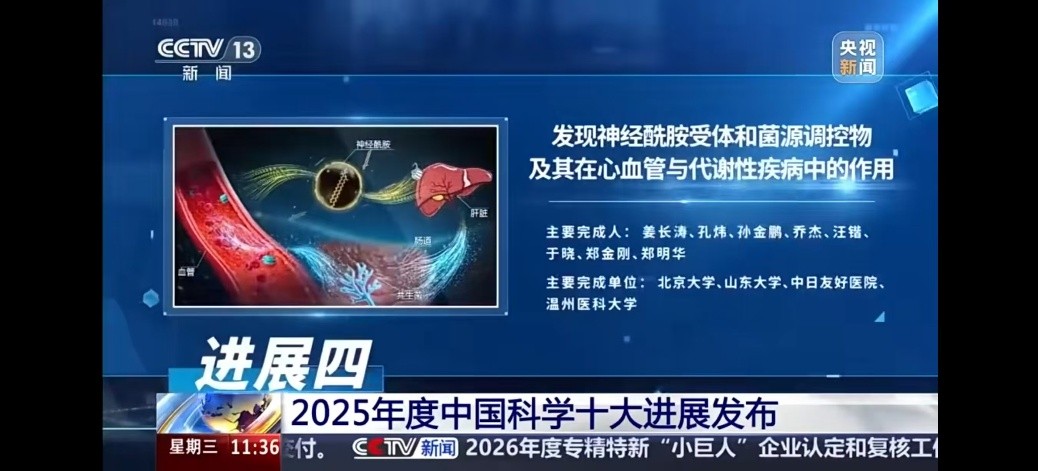
Peking University, May 19, 2026: A joint study involving Professor Jiang Changtao and his colleagues at Peking University was recently selected into the "Top Ten Scientific Advances in China" for 2025, an award launched by the National Natural Science Foundation of China. The study, which identified ceramide receptors and microbial regulators and their roles in cardiovascular and metabolic diseases, represents a landmark achievement in the field.
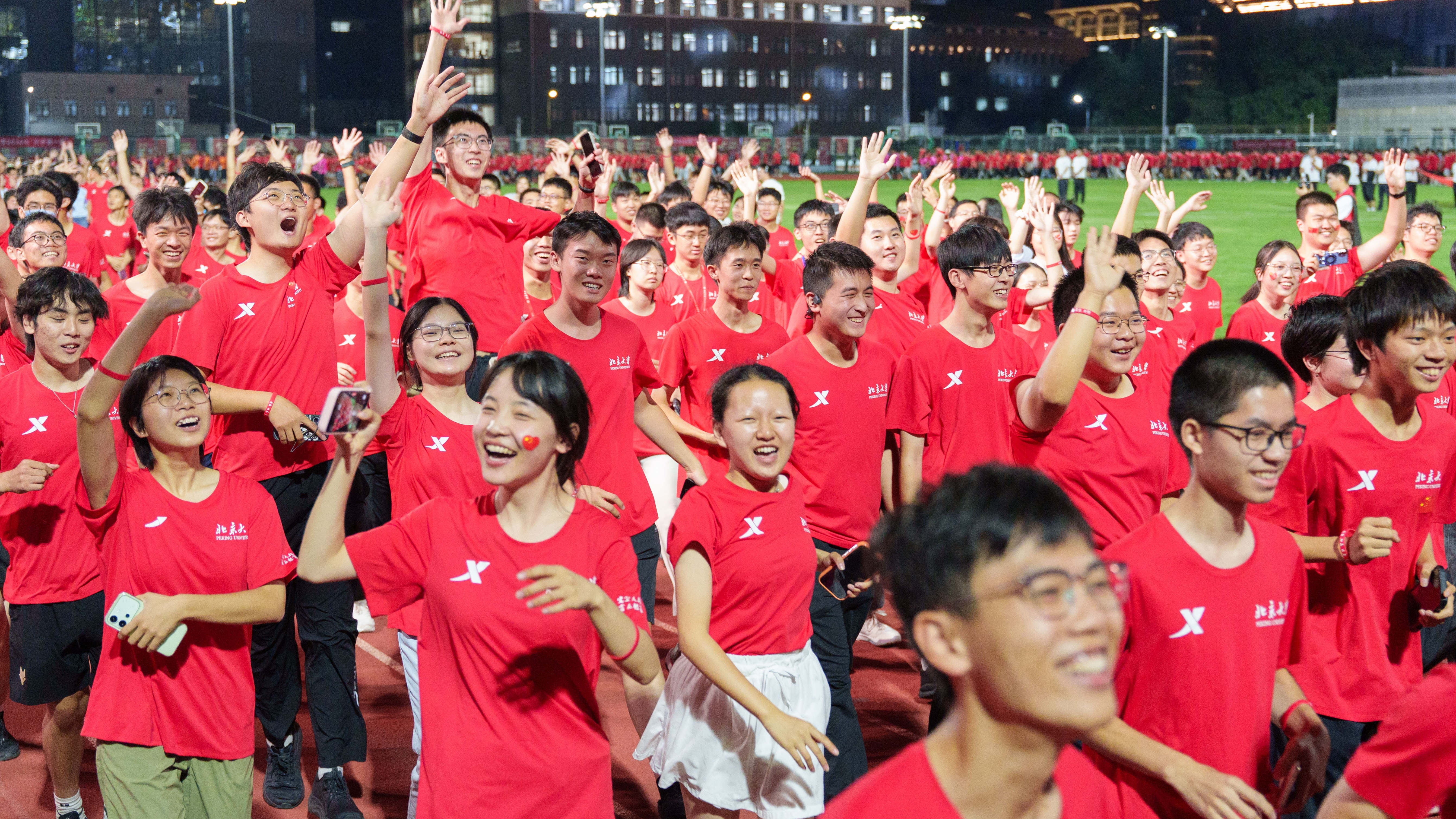
Jiang Changtao's team's achievement was selected as one of China's Top 10 Scientific Advances.
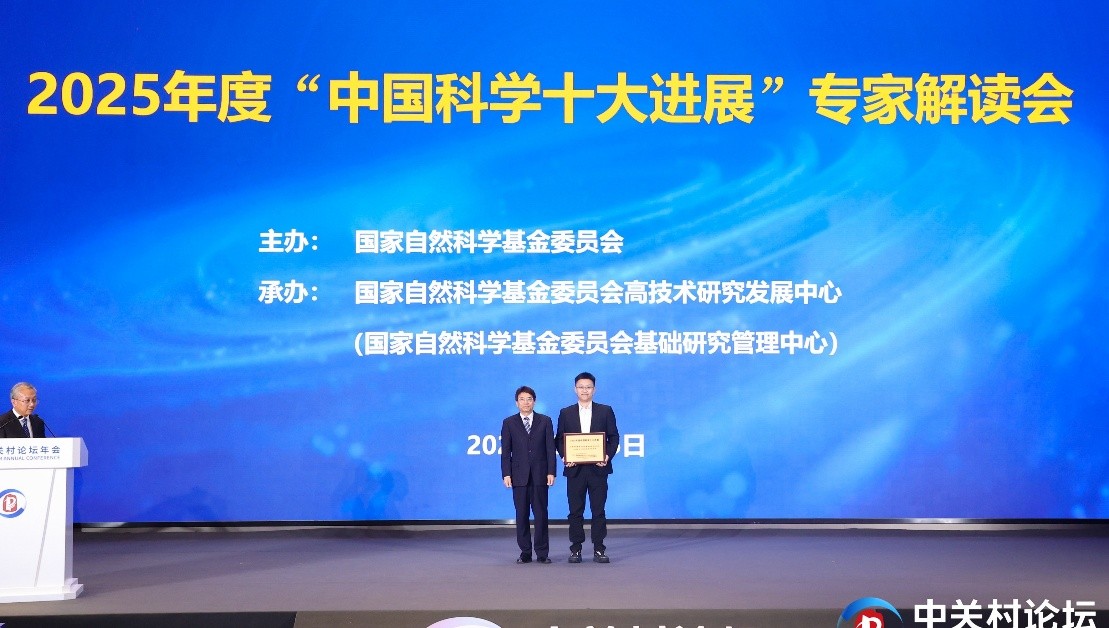
Jiang Changtao at the award ceremony for the 2025 Top 10 Scientific Advances in China.
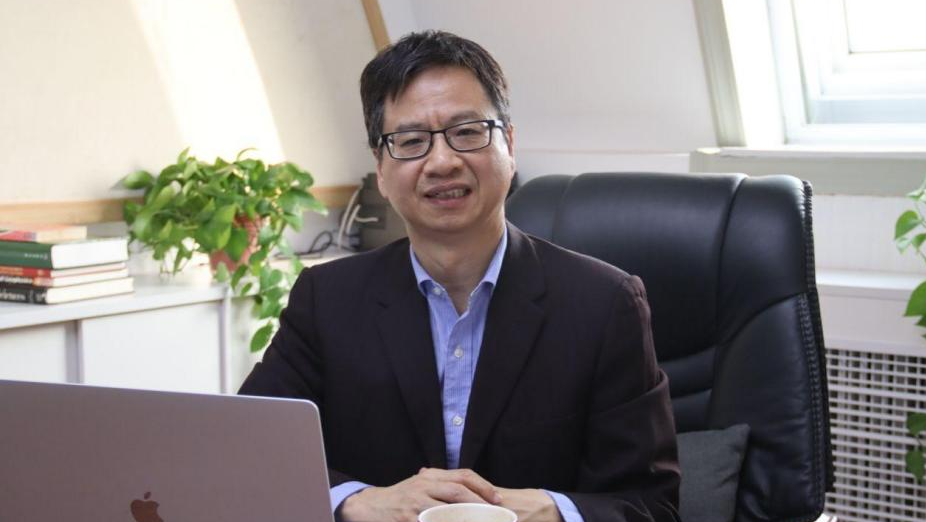
Jiang Changtao, currently the vice dean of the School of Basic Medical Sciences at PKU, has become a prominent figure in global medical research. In February 2026, he received the "Scientific and Technological Innovation Award" from the Ho Leung Ho Lee Foundation. Over the past three years, his work as a corresponding author in
Science,
Nature, and
Cell has consistently redefined our understanding of human physiology and the pathology of metabolic diseases.
From Clinical Practice to the Bedrock of Science
Jiang's journey began in 1999 when he enrolled in the clinical medicine program at Peking University Health Science Center. During his clinical rotations, he realized that many "incurable" diseases remained so because their underlying mechanisms were unknown. He concluded that medical breakthroughs depended on the progress of basic research—the foundation of all clinical healing.
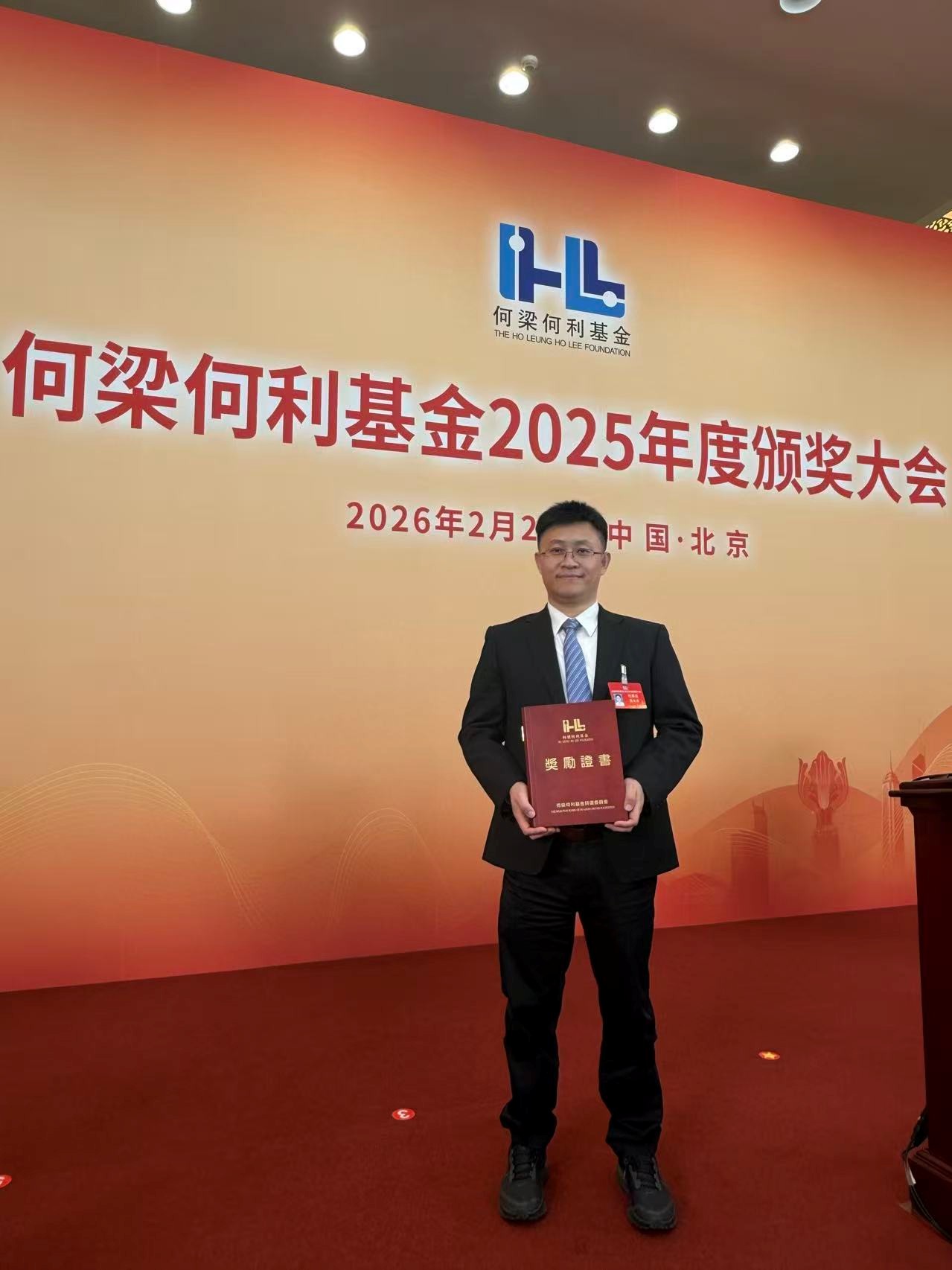
Jiang Changtao honored with the Ho Leung Ho Lee Foundation Scientific and Technological Innovation Award.
This realization led him to shift his focus to basic medical sciences, where he studied under Professor Wang Xian. Under her mentorship, Jiang developed a rigorous approach to experimental design and data analysis. This solid training paved the way for a five-year postdoctoral fellowship at the National Institutes of Health (NIH) in the United States, where he mastered advanced metabolomics and explored the roles of endogenous small molecules like steroids and ceramides.
Returning Home to Foster Interdisciplinary Growth
In 2014, Jiang turned down attractive offers abroad to return to PKU. "I spent ten years at Peking University; it is my home," he remarked. He found in PKU a research environment that had evolved rapidly, boasting world-class facilities and a unique culture of interdisciplinary collaboration.
At PKU, Jiang became a catalyst for "cross-pollination" between departments. As a convener for academic salons, he brought together researchers from chemistry, physics, and future technology to explore the gut microbiota. He believes that breaking down academic silos is essential for solving complex biological puzzles.
Unlocking the "Invisible Keys" of the Gut Microbiome
The core of Jiang's research lies in the "metabolic dialogue" between the gut microbiome and the human host. His team pioneered the theory that gut microbial bile acids and their synthetic enzymes act upon the host to regulate host metabolic homeostasis.
Significant milestones include:
·May 2024 (Cell): Discovery of novel bile acids like 3-succinylated cholic acid (3-sucCA), which repair the intestinal barrier and improve metabolic diseases.
·May 2025 (Cell): Identification of tryptophan-cholic acid (Trp-CA), which activates the orphan G protein-coupled receptor MRGPRE, providing a new target for type 2 diabetes treatment.
·August 2025 (Cell): Utilizing an AI-based enzyme mining system, the team identified the ADS enzyme system and a new bile acid skeleton named "dual-tail" (3-acetoDCA), establishing a new paradigm for microbial enzyme research.
Perhaps most groundbreaking was Jiang's concept of "gut microbial host isoenzymes." He discovered that microbial enzymes (like microbial DPP4) could interfere with clinical drugs (like Sitagliptin), explaining why treatments work for some patients but not others. Furthermore, his team discovered NicX, a microbial enzyme that can degrade nicotine in the gut, offering a potential intervention for smoking-related health risks.
Solving a 140-Year Mystery
One of Jiang's most significant breakthroughs involved ceramides, a known risk factor for cardiovascular disease discovered in 1884. For over a century, their specific receptors remained unknown. In May 2025, Jiang's team published a series of papers in Science and Nature identifying FPR2 and CYSLTR2 as the long-sought ceramide receptors. This discovery provides a new target for interventions in atherosclerosis and other metabolic conditions.
A Legacy of Integrity in Education and Research
Despite his administrative duties and high-stakes research, Jiang remains a devoted educator. He is known as a "strict mentor" who demands rigorous academic integrity while encouraging students to engage with the scientific frontier early.
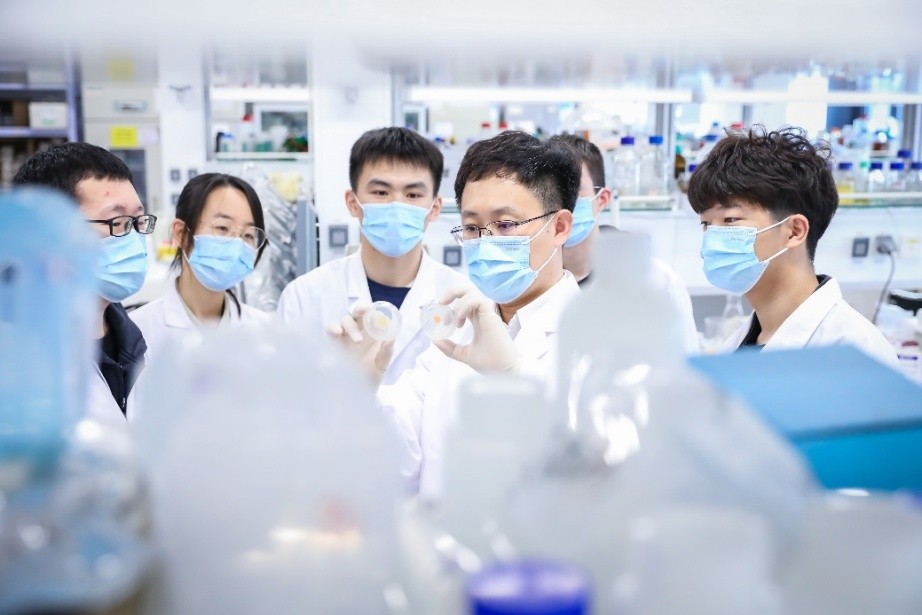
Jiang Changtao guiding students in the laboratory.
Reflecting on his 20-year journey, Jiang notes that his success was not a 100-meter dash but the accumulation of years of quiet persistence. As a leader at the School of Basic Medical Sciences, he aims to pass on the spirit of integrity and perseverance, ensuring that the next generation of researchers is equipped to protect human health in what he calls "the happiest era for Chinese scientific researchers."
Written by: Wu Songli
Edited by: An Bingjie, Chen Shizhuo
Source: PKU News (
Chinese)