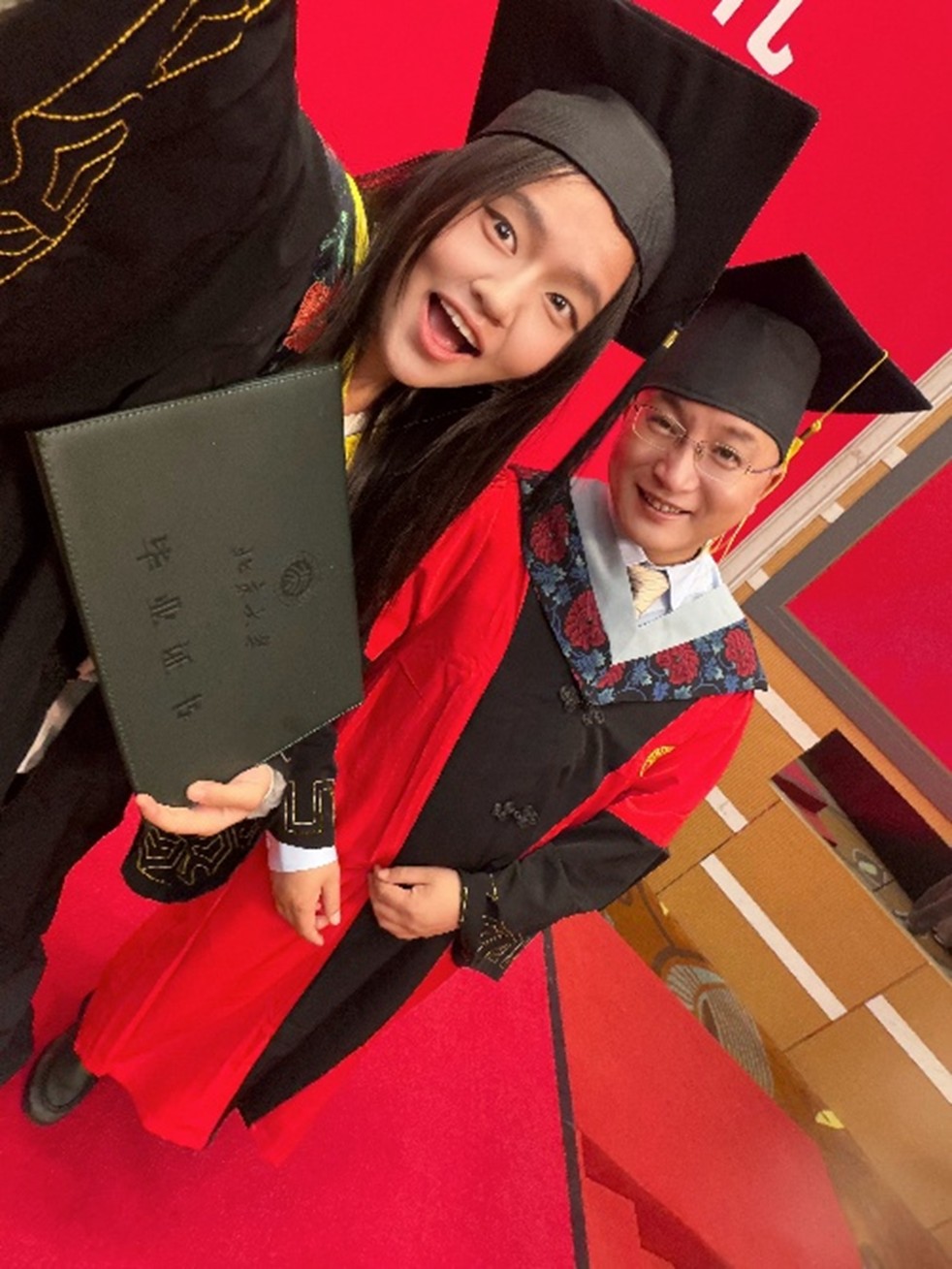
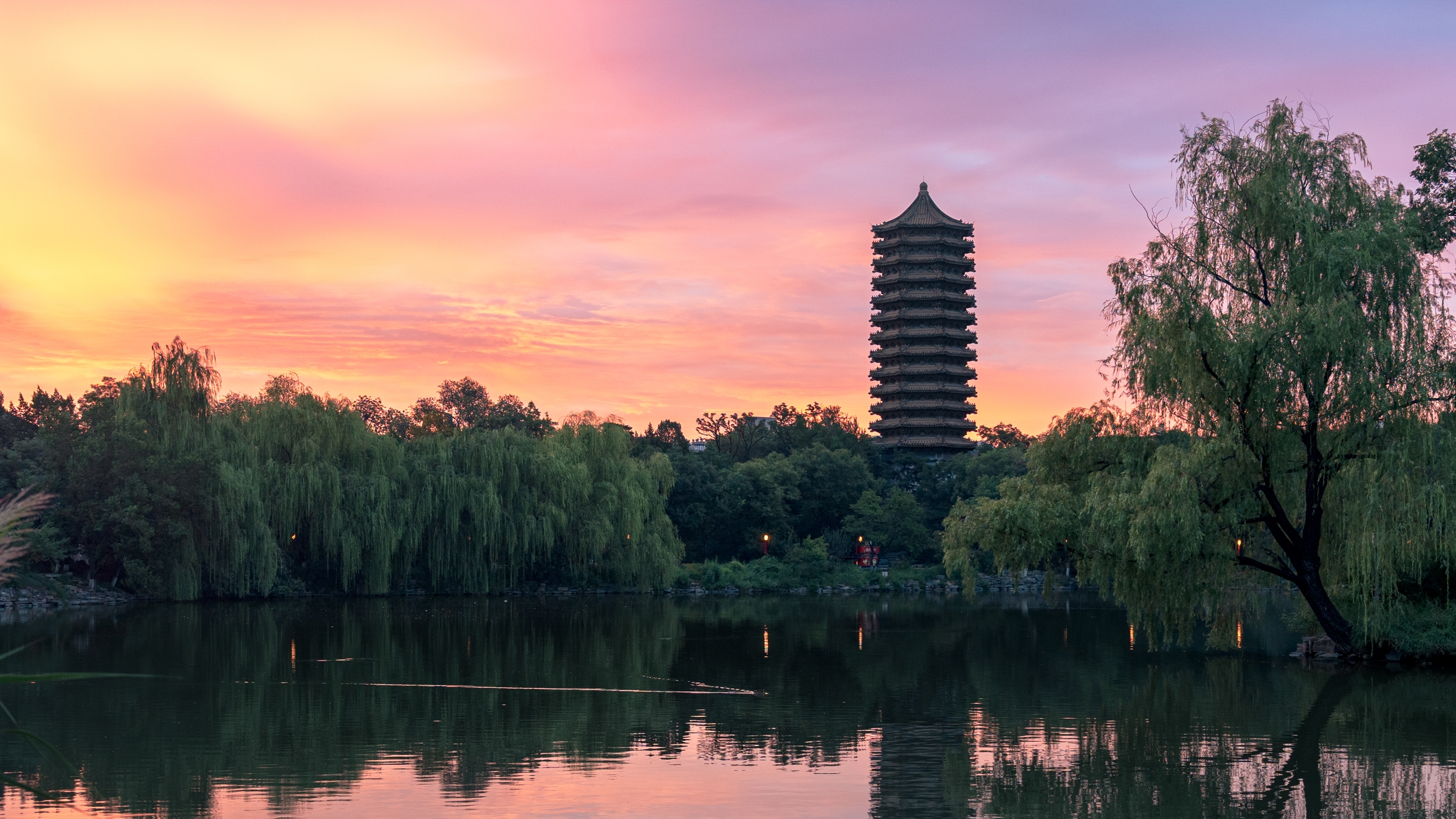
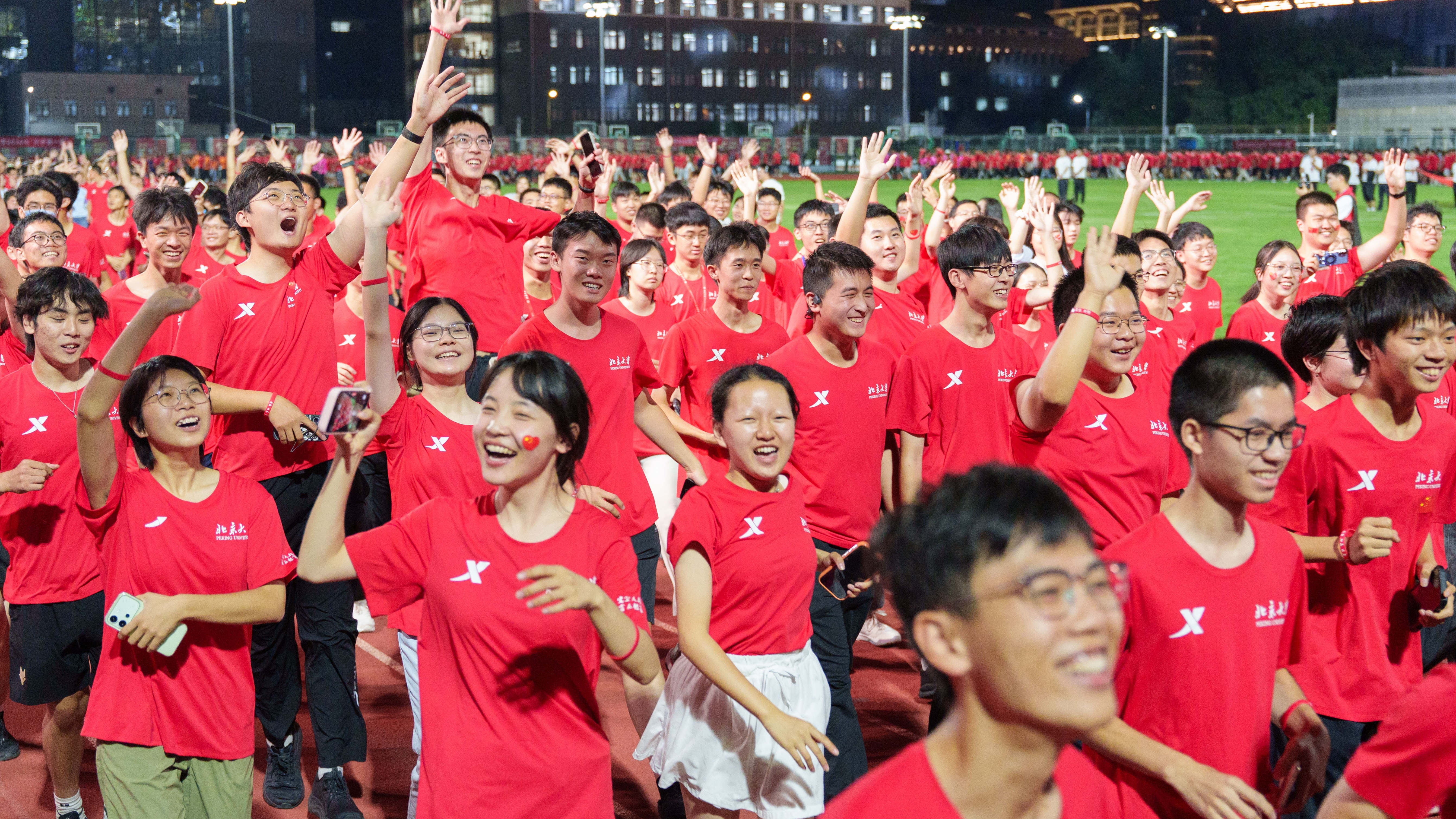
Editor's note: As green willows once again adorn the shores of Weiming Lake, Peking University (PKU) is heralding a brand-new graduation season, punctuated by the ubiquitous sight of caps and gowns. With graduation comes a moment of reflection, a look back at the cherished memories. In this series, international students of the Class of 2026 share their stories of growth and learning, as they gear up for a new chapter in their lives.
Peking University, July 7, 2026: When I tell people I'm an urban planner, they're often surprised. Not because they doubt my competence, but because—once they get to know me—they quickly realize I'm not someone who makes plans. I'm spontaneous by nature, perhaps even by genetics. That makes the irony almost comedic: I studied planning for five years at Peking University, yet my personal life has been defined by the exact opposite.
School taught me how to plan—properly, ethically, and holistically. I learned to consider citizens’ needs, economic growth, social equity, and political feasibility at the same time. I learned GIS, computer science, policy analysis, and academic writing. But what I learned as a person is the beauty of not planning. Or rather, that the best things in life can't be planned at all.
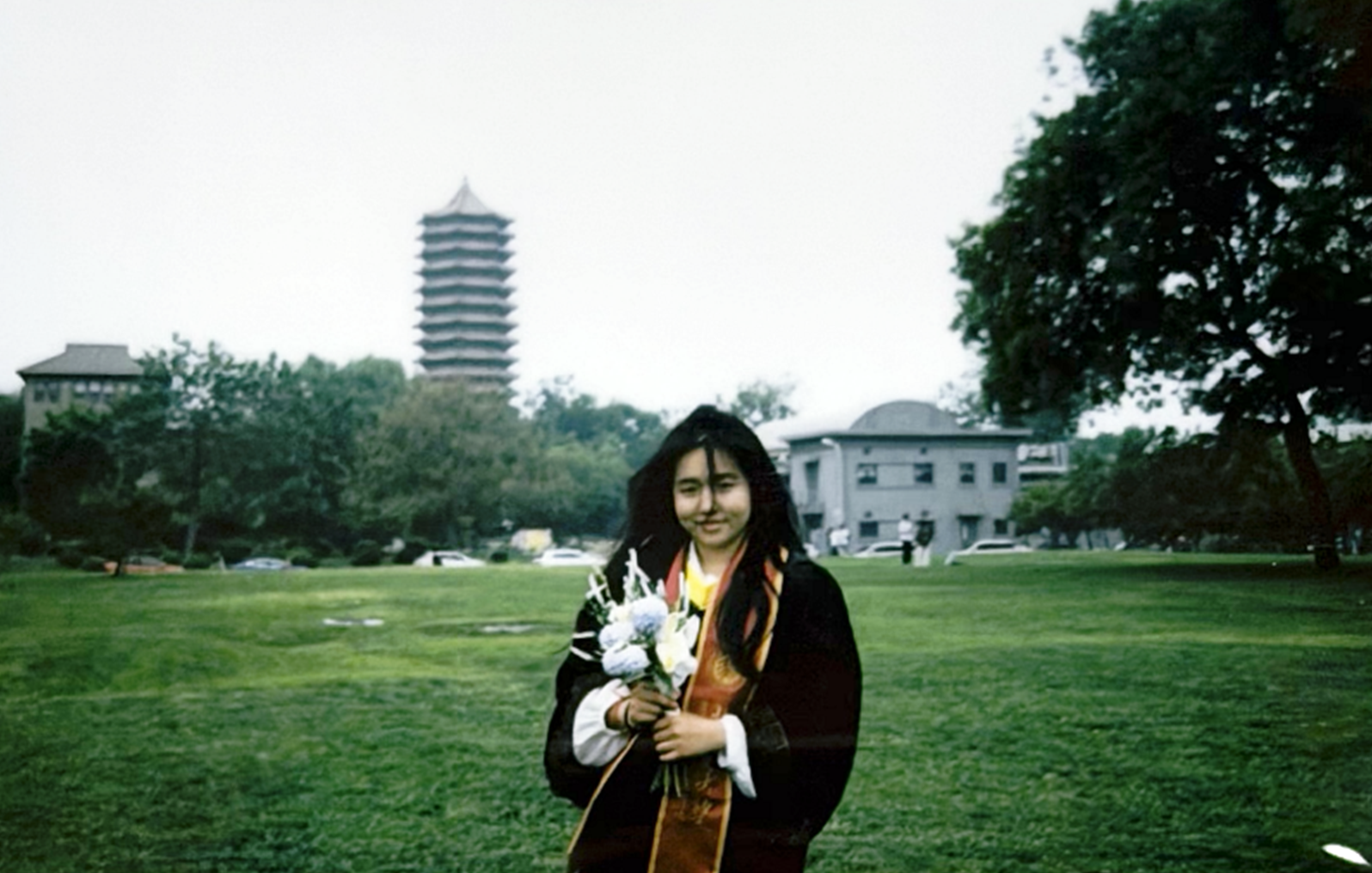
If I trace everything back to its origin, it all starts with snowboarding.
I'm from Canada, a country that treats snowboarding almost as a birthright. We have some of the best slopes in the world, but when I came to China, I discovered something unexpected: snowboarding was still relatively new here. The 2022 Winter Olympics had just sparked national interest, and suddenly, my childhood hobby became a superpower.
I started teaching friends. Then friends of friends. Then friends of friends of friends. Over two years, I must have taught nearly a hundred people how to snowboard. One day, a friend said, "You should get certified. You're actually good at this."
That was the moment—the first big spontaneous decision of my undergraduate career. I flew back to Canada that winter and got my CASI (Canadian Association of Snowboard Instructors) certification. It was astonishingly easy, so I came back and got another certification, this time from the Chinese association. Then, during the following winter break, I enrolled at a resort in Chongli and became a full-time, paid snowboarding instructor in China.
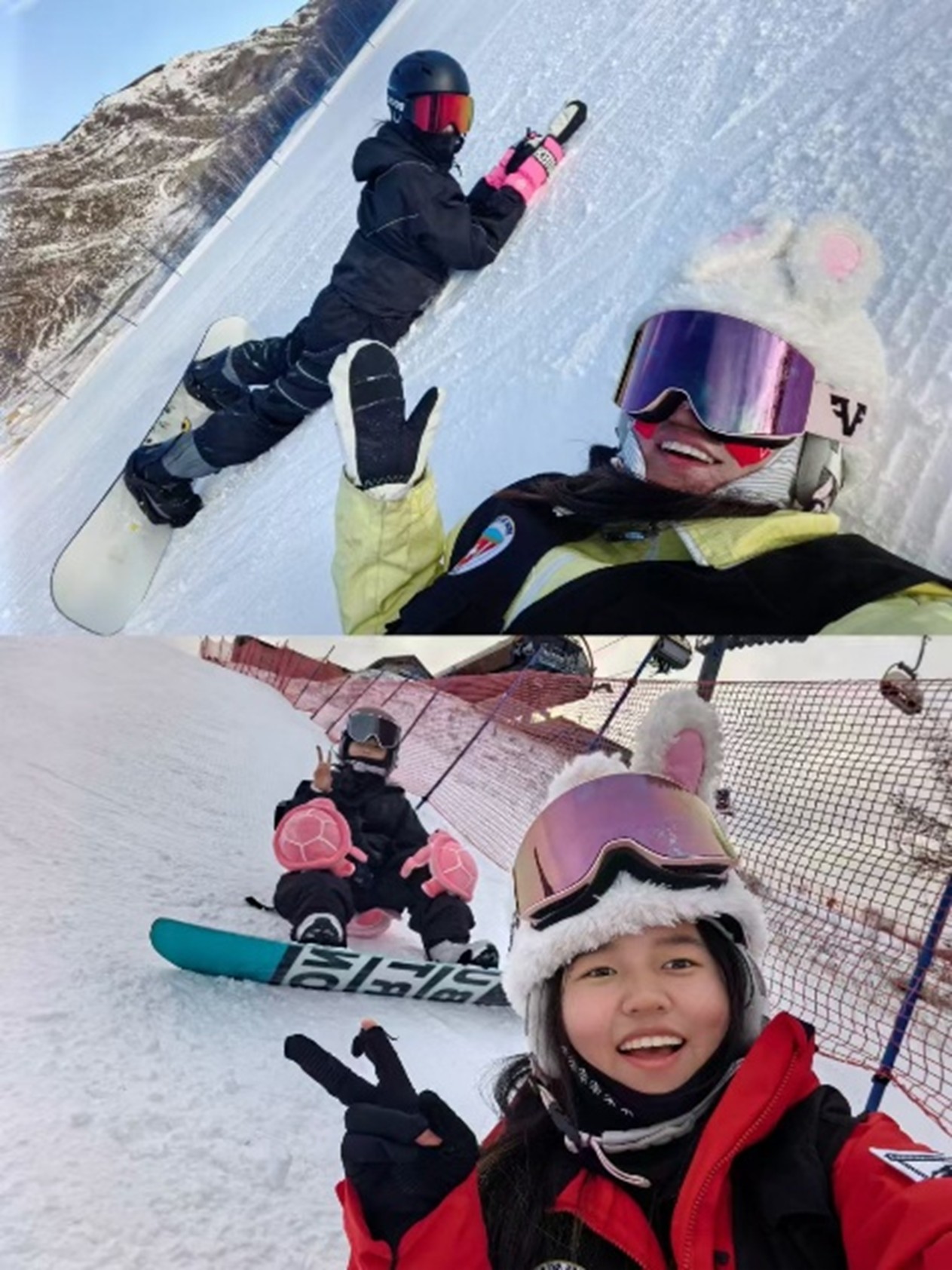
That was my first official job here. And everything that followed felt like a dream—but a dream built on one spontaneous decision after another. That period taught me the true definition of courage: turning a fleeting thought into immediate action. It was then that I realized I don't want to be someone who pursues stability—I want to be someone who jumps out of her own plans. I want to be defined by the unplanned.
So I pushed further. I started a ski apparel brand with friends. We used it to enter competitions—and won multiple awards. The PowerPoint we submitted for the first competition? It was written the night before, in a karaoke room. In fact, we didn't even know about the competition until the day before the submission portal closed. I asked my friend, "Want to apply?" She said, "Why not?" We scrambled to prepare the documents, built the deck at 2 AM surrounded by bad singing, and hit submit. We passed the first round. Then we prepared a proper presentation—and won.
And it's not just snowboarding. I've done internships that had nothing to do with my major, nothing to do with sports, and possibly nothing to do with my future career. I worked at a tech company as a manager overseeing operations in three different countries—exhausting, but eye-opening. I worked at Tesla in a government outreach position—fascinating, and completely unrelated to everything else. And I did so much more.
Why did I do them? Simply because I had the thought and the opportunity was there. It felt almost like destiny to accept and try.
I'm the person who's always on the road. I could be at school on Thursday night, and by Friday morning I'm driving hours to hit the slopes, returning just in time for Monday's classes. I've learned to free-dive, ice skate, play hockey, surf, and swim—and recently, breakdancing, boxing, and rock climbing. When you're physically active, you become more energetic in every aspect of life, more open to new experiences, and more inclined to turn those opportunities into something else.
But I must admit, being spontaneous and constantly on the run isn't always a good thing. Doing unplanned things gives you opportunities that would otherwise fall outside your reach—you achieve things that were never destined for you. But you also need planned things—long-term plans that are sustainable, that ground you, and that are healthy for your life and pursuits.
For me, two things have become essential counterbalances to my restlessness.
One is academia. I found the beauty in research—the way it forces me to settle myself, to calm my perpetual state of motion, and to become a more poised and refined person. Urban planning, in particular, is a wonderfully rounded subject. You read papers, write, code, use GIS, and communicate with diverse stakeholders. It improved my technical skills, writing, and ability to think systematically.
This program made me a more rounded person. And that's why I've decided to pursue a PhD in urban planning. First, I'm quite good at research, and second, because it gives me something solid to anchor my energy to.
The other is sports—not any specific sport, but the long-term commitment to physical fitness. Staying fit and active isn't just good for the body; it's good for the mind. It gives me the endurance to pursue long-term academic projects while maintaining the energy to say yes to new experiences and new opportunities.
So here I am, five years later, graduating from Peking University with a master’s degree in urban planning. I learned how to design cities that are resilient, equitable, and adaptive. But I also learned that the same principles apply to life.
A well-planned city isn't one that eliminates uncertainty—it's one that has room for emergence, for the unplanned to flourish. Jane Jacobs wrote about the beauty of organic, bottom-up urban development. She understood that the most vibrant places are those that allow for surprise.
I think the same is true of a well-lived life. I'll take my planning skills with me—the analytical rigor, the ethical frameworks, the ability to see the big picture. But I'll also trust the detours. I'll keep saying yes to things I didn't see coming. I'll keep jumping off the main route whenever my mind flies somewhere new.
Because perhaps the best plan isn't written on a map.
Perhaps the best plan is to be ready for the unplanned.
Written by: Niki Qiu
Edited by: Chen Shizhuo
Photos courtesy of the author