Editor's note: Nine Peking University professors and associate professors have been announced as the winners of this year's Peking University Teaching Award, which is an annual award that recognizes outstanding educators in the school. The award comprises two categories: the Teaching Achievement Award and the Teaching Excellence Award, and is befittingly announced each year on September 10, the Teacher's Day in China. In this series, we celebrate these distinguished teachers by sharing their unique methods on cultivating bright minds and views on the future of education.
Peking University, October 21, 2026: To many medical students, biochemistry feels like an ocean of knowledge that is too vast to cross — metabolic pathways resemble a labyrinth, and molecular mechanisms can seem like illegible writing. Yet in associate professor Yi Xia’s classroom at the School of Basic Medical Sciences, these intricate, submicroscopic concepts come alive in surprisingly tangible ways.
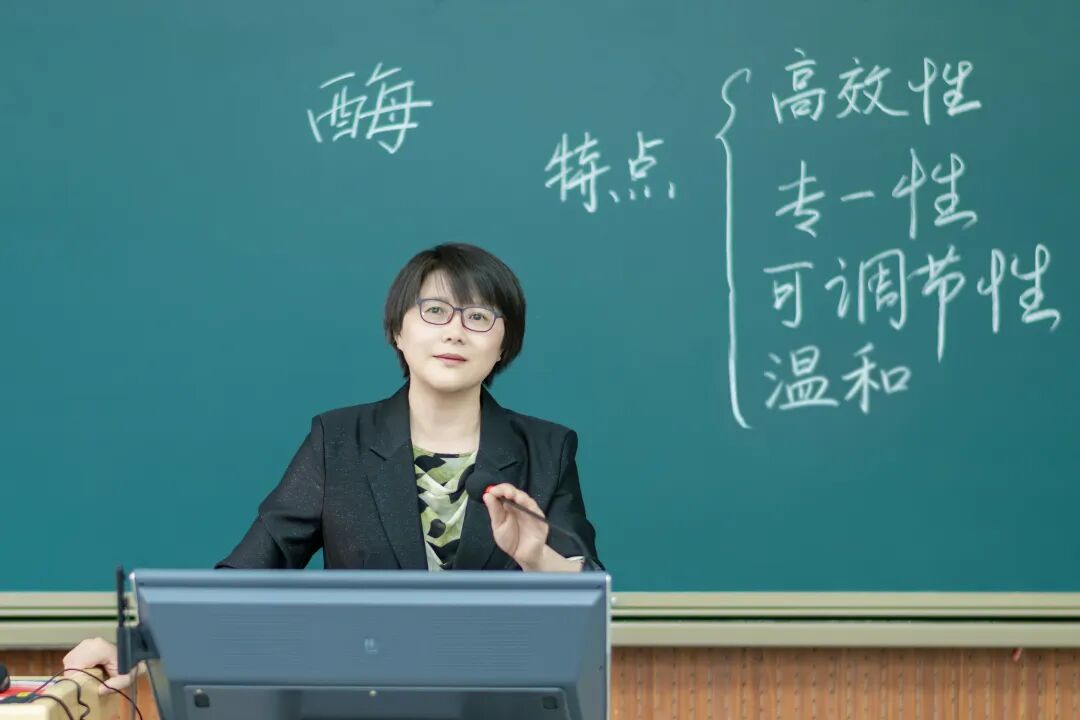
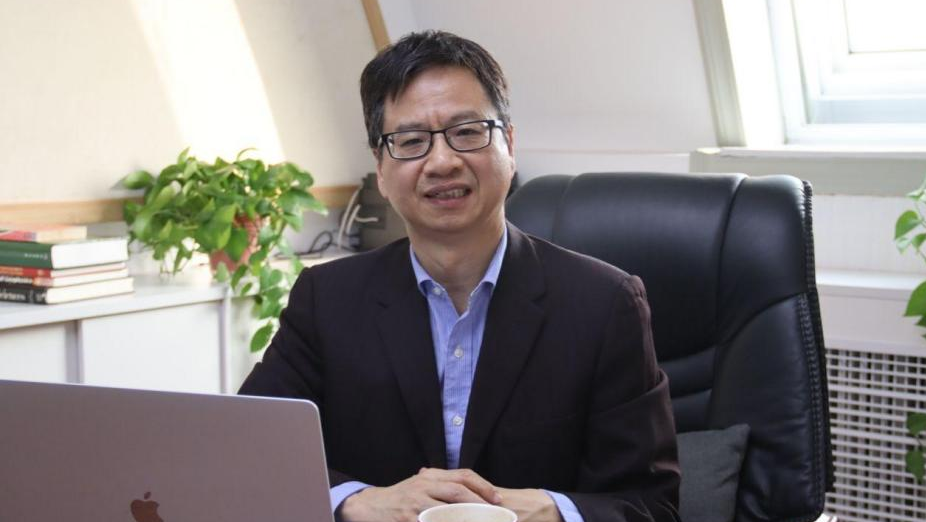
Yi Xia
Yi, a veteran educator and recipient of the 2026 Peking University Teaching Achievement Award, has spent over two decades making biochemistry both accessible and genuinely inspiring. Her mission is clear: to lower the barriers to learning and transform students' early fear of the subject into lasting scientific curiosity.
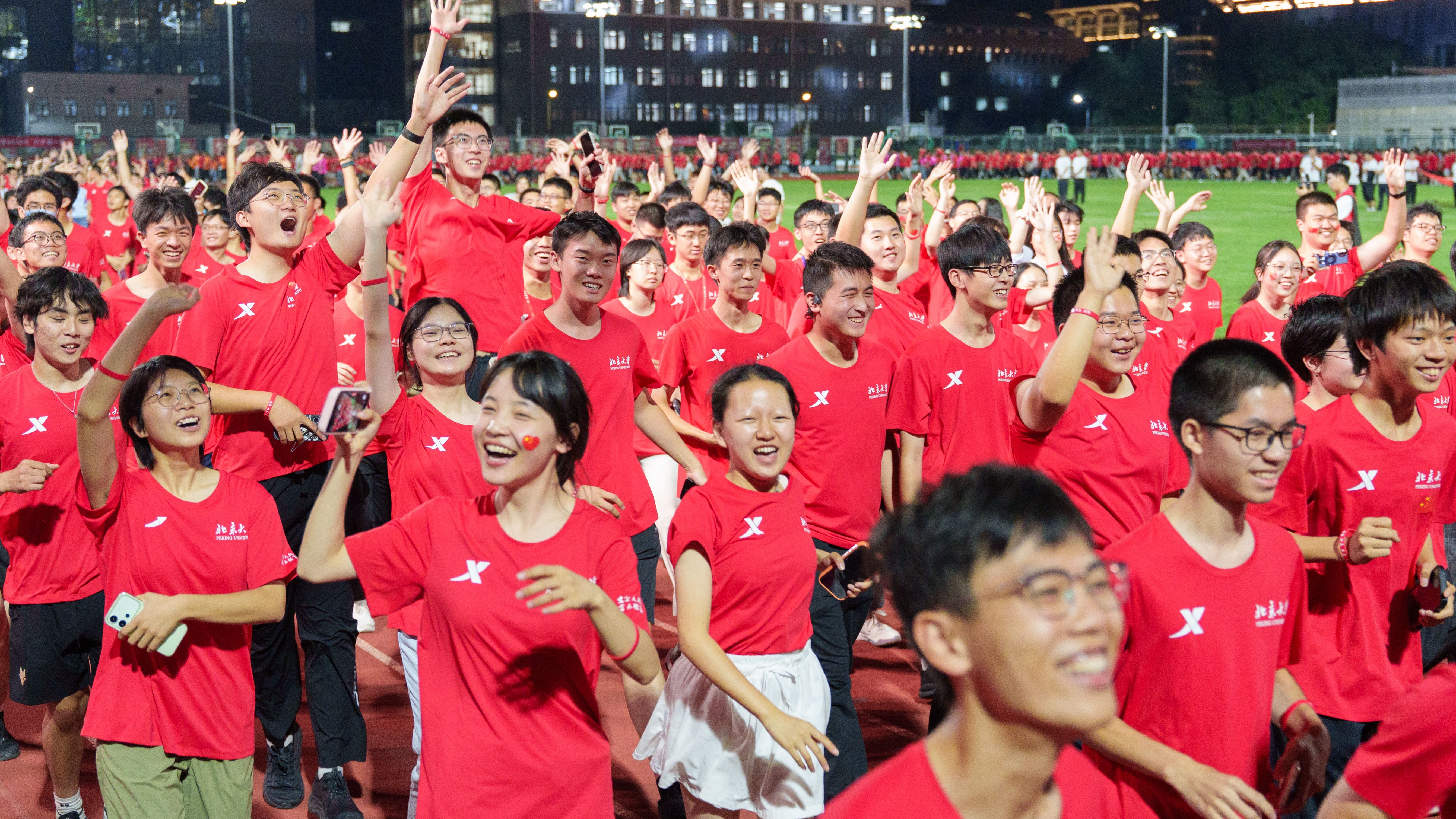
She breaks down the tricarboxylic acid cycle, or TCA cycle, for example, with visual aids, mnemonic rhymes, and fun anecdotes, allowing students to internalize a formidable block of knowledge with methodical ease. To her surprise, her students choreographed a dance routine based on her explanation of the TCA cycle and performed it at a New Year's Gala at their school. The students said the rapping and dancing further reinforced their memories of the biochemical reactions.
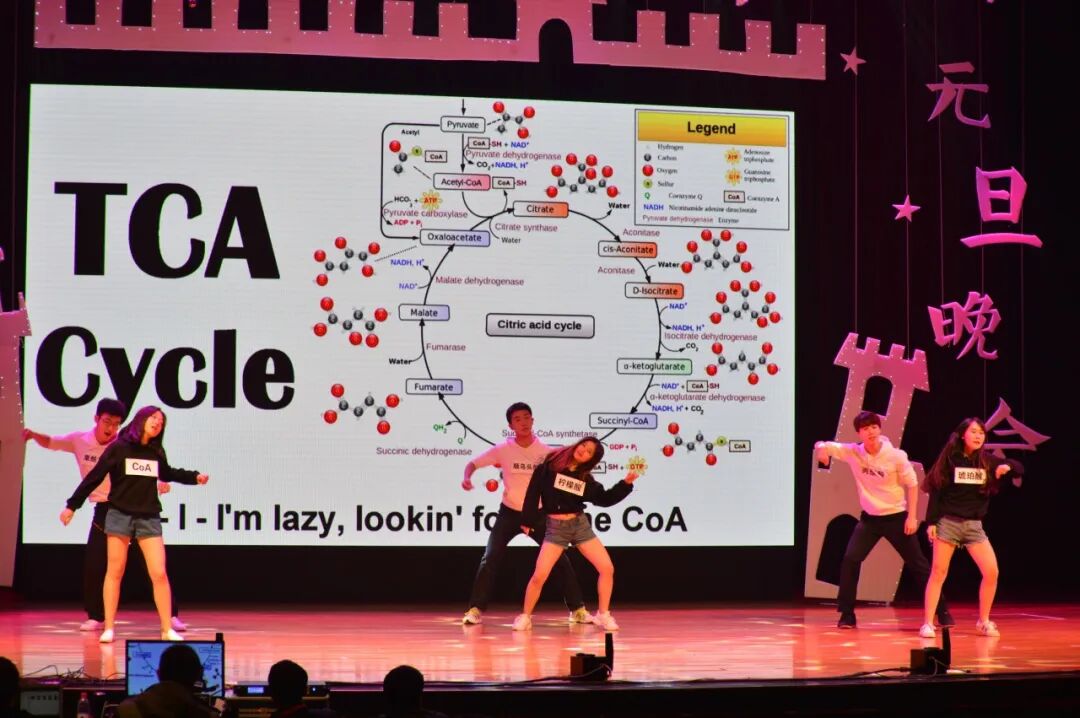
Yi Xia's students choreographed a dance routine based on her explanation of the TCA cycle.
Beyond fun memorization tools, the course challenges students to apply textbook knowledge to real problems in daily life. A pharmacy student from the 2022 cohort once made the news for improving her 800-meter run performance from 4 minutes to 3 minutes and 29 seconds in a week, and she did it by applying biochemical principles she researched for a course assignment designed to explore biochemistry in daily life. Her feat was widely acclaimed online as a perfect example of making study serve practical purposes.
Born in Tahe, a remote town in Heilongjiang Province in northeast China, Yi completed her master's degree at PKU in 2002 and has been a teacher there ever since. "I loved the tranquil campus," she recalls. "Most of all, I enjoyed being around students. Spending time with them keeps me feeling young and energized."
The shift to teaching was challenging at the start. "Clinical medicine centers on real patients and their clinical presentations, which are often tangible to observe," Yi says. "Biochemistry operates at the molecular level, dealing with invisible, abstract processes. At first, I found teaching it just as hard as students found learning it."
To illustrate the complex topological rearrangements occurring during DNA replication, Yi uses simple hand gestures: a clenched fist represents tightly condensed chromatin, which topoisomerase unwinds, while two outstretched fingers mimic the replication fork.
"Clinicians derive deep fulfillment from supporting patients through their journeys of care," she reflects. "For teachers, the greatest reward is witnessing that pivotal moment when understanding clicks for a student."
This interactive style gradually evolved into her signature educational philosophy: "Targeted nurturing, much like enzymatic catalysis." Just as enzymes lower the activation energy required for biochemical reactions, Yi strives to reduce the cognitive barriers to learning, empowering students to activate their intrinsic motivation.
Her classes blend storytelling, mnemonic rhymes and cutting-edge digital learning tools. In her popular "Insulin Discovery Quest," she designed a five-stage interactive scenario that guides students through Nobel Prize history, molecular mechanisms and the discovery of disease targets. When students asked for more challenging content, she and her teaching team integrated the latest clinical advances in GLP-1-based weight-loss therapies into the curriculum.
Yi's students have given her the warm, playful nickname "the Demon King"—not for severity, but for the near-magical power of her well-known five-minute cold-call quizzes that open every class. Like a master of surprise, she randomly picks rows of students to answer questions covering assigned readings and core biochemical concepts. Far from fearing the routine, many students say the "magic" is real: the quick warm-up questions chase away morning sleepiness, refresh prior knowledge, expose gaps in their understanding, and reinforce their learning promptly.
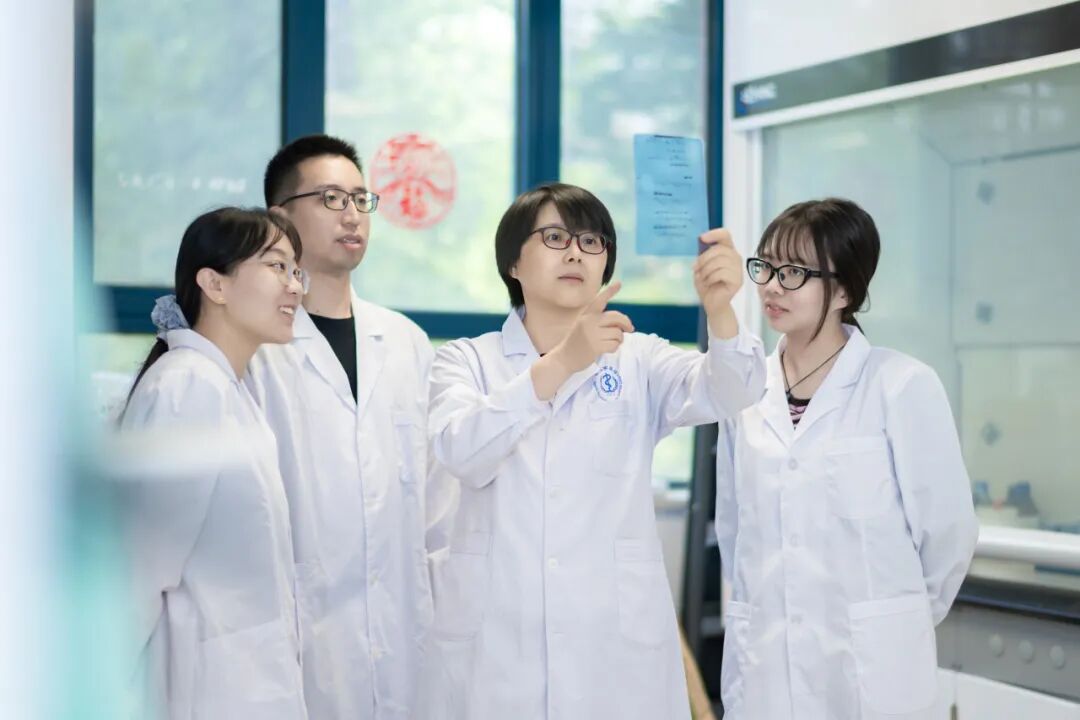
"Deeper research makes me more confident and my lectures more vivid," she notes. She balances a heavy teaching load with research on transcriptional and post-transcriptional regulation (especially RNA methylation and RNA binding proteins) linked to cancer and metabolic diseases. For Yi, teaching and research feed into each other. "What's more, questions and discussions in class, along with unexpected insights in student assignments, not only spark fresh ideas for my lab work but also prompt me to reflect and refine my teaching."
Teaching is not a solo mission. When Yi won the first prize in the 9th Peking University Young Teachers' Teaching Demonstration Competition (Medical Category) in 2010, she formulated her experience and shared it with young teachers from PKU and other universities. She has also provided guidance and training to more than 20 teachers over the years, many of whom have become pillars themselves. Teaching, from her perspective, is a relay where the young who take up the torch eventually become the seniors and pass it on to the next generation.
Now a leading torchbearer in biochemistry at PKU, Yi is passing on her knowledge and experience she has accumulated over years in the lab and classroom. Since 2019, she has been leading her team in recording classes and building online courses across multiple platforms. Their construction of the framework for curriculum-based ideological and political education, paired with a detailed teaching plan and a case database, constituted a comprehensive online repository of teaching resources. Through their efforts, they transformed a basic entry-level course into a National First-Class Undergraduate Course (combining online and offline) and a Beijing High-Quality Undergraduate Course.
With a range of honors now under her belt, Yi still considers herself "an ordinary teacher," and her modesty allows her to see the full picture of students' development, including their emotional well-being and social life. "Students sometimes feel overwhelmed or emotionally distressed, and we should not use their grades as the only yardstick." For her, walking alongside students is as essential as guiding their growth—like an enzyme that catalyzes, not coerces.
Beyond academic knowledge, she believes students should also learn to be empathetic, cooperative, and optimistic. She often talks with them about how research and learning are long games. "Learning is a lot like metabolic pathways," she says. "Glycolysis may look convoluted, yet it generates energy incrementally for cells, and those small daily gains will eventually ripen into conditions for success."
She hopes her students can learn to build a supportive, cohesive community and share happiness with one another. Oftentimes, students who come to her for academic advice are often under pressure and want to unburden themselves, at which point she is always ready to lend a listening ear.
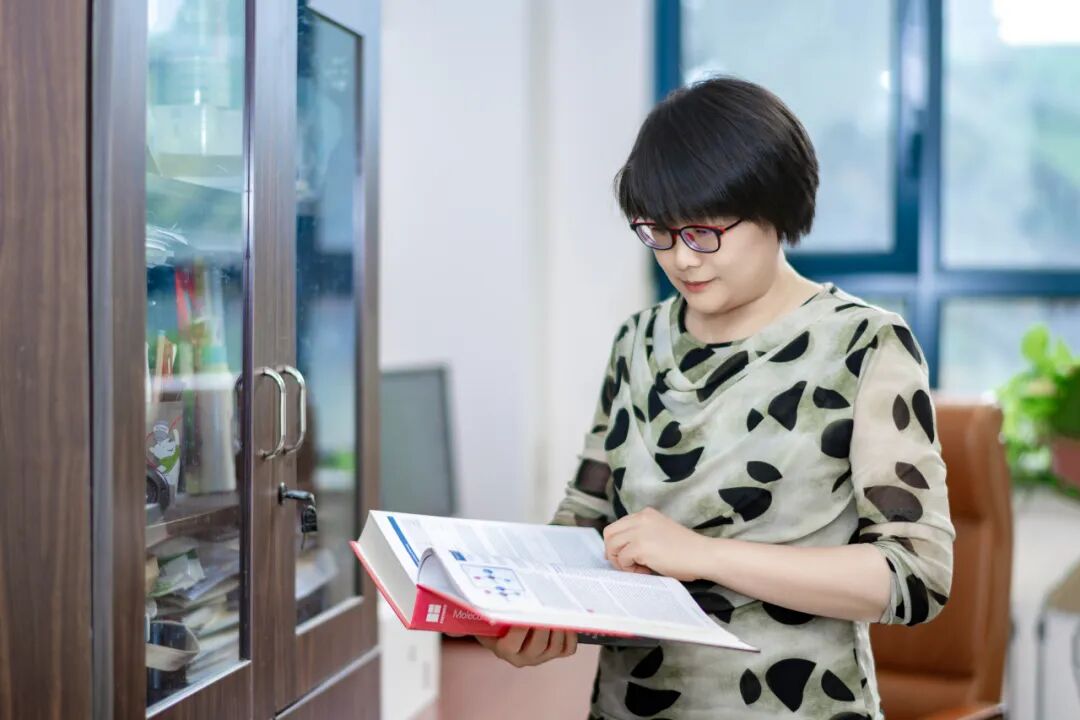
Outside the classroom, Yi sheds her "Demon King" aura and becomes a big sister who can share a laugh with her students in a game of badminton or cards. "Playing badminton for me is not about winning or losing, but about creating a relaxed, egalitarian atmosphere in which I can hear the students' inner thoughts and build rapport."
She keeps close track of each cohort's knowledge level, thinking patterns, and learning challenges, and collects student feedback through a range of channels including online questionnaires, email exchanges, and face-to-face conversations. In the age of AI, she is always exploring how to expand the boundaries of learning with intelligent tools while ensuring her students retain intellectual independence and critical thinking skills.
"I am just an ordinary person," she says, describing herself as someone with no extraordinary feats but only a sincere heart to teach and care for students, day in and day out.
"Biochemistry is not a mountain we need to climb, but a beautiful scene we need to appreciate." For Yi, the greatest reward in teaching has always been watching her students grow, cohort after cohort.
Written by: Ma Xuan
Edited by: Chen Shizhuo
Photo by: courtesy of interviewee, Guo Sailiang