 Peking University, January 31, 2026
: Starting the year with an auspicious bang, Peking University researchers published 6 papers in internationally leading journals — two in
Science and four in
Nature — within 48 hours from January 28 to 29, covering an eclectic range of subjects from AI to organic chemistry. See below for a list of trenchant summaries.
Science:
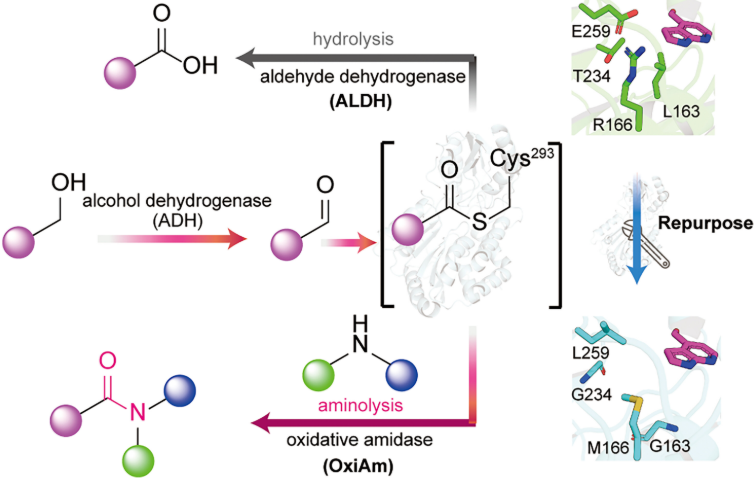
1. Overcoming conventional chemical synthesis strategies that generate considerable waste, Lei Xiaoguang, from the College of Chemistry and Molecular Engineering, and his team members have created engineered enzymes that form vital amide bonds for drug synthesis in a single, efficient step.
This biocatalytic platform provides a powerful and sustainable new tool for greener pharmaceutical manufacturing. (
Read more)
Fig.1:This work developed a protein engineering strategy to convert ALDHs into OxiAms that catalyze amide bond formation between diverse alcohols or aldehydes and amines.
2. Peng Hailin, from the College of Chemistry and Molecular Engineering, and other researchers have created a new, scalable method to fabricate ultra-thin, high-quality ferroelectric materials across entire wafers. This breakthrough
overcomes miniaturization barriers, enabling the production of highly uniform and efficient ferroelectric transistors for next-generation, low-power computing and memory chips. (
Read more)
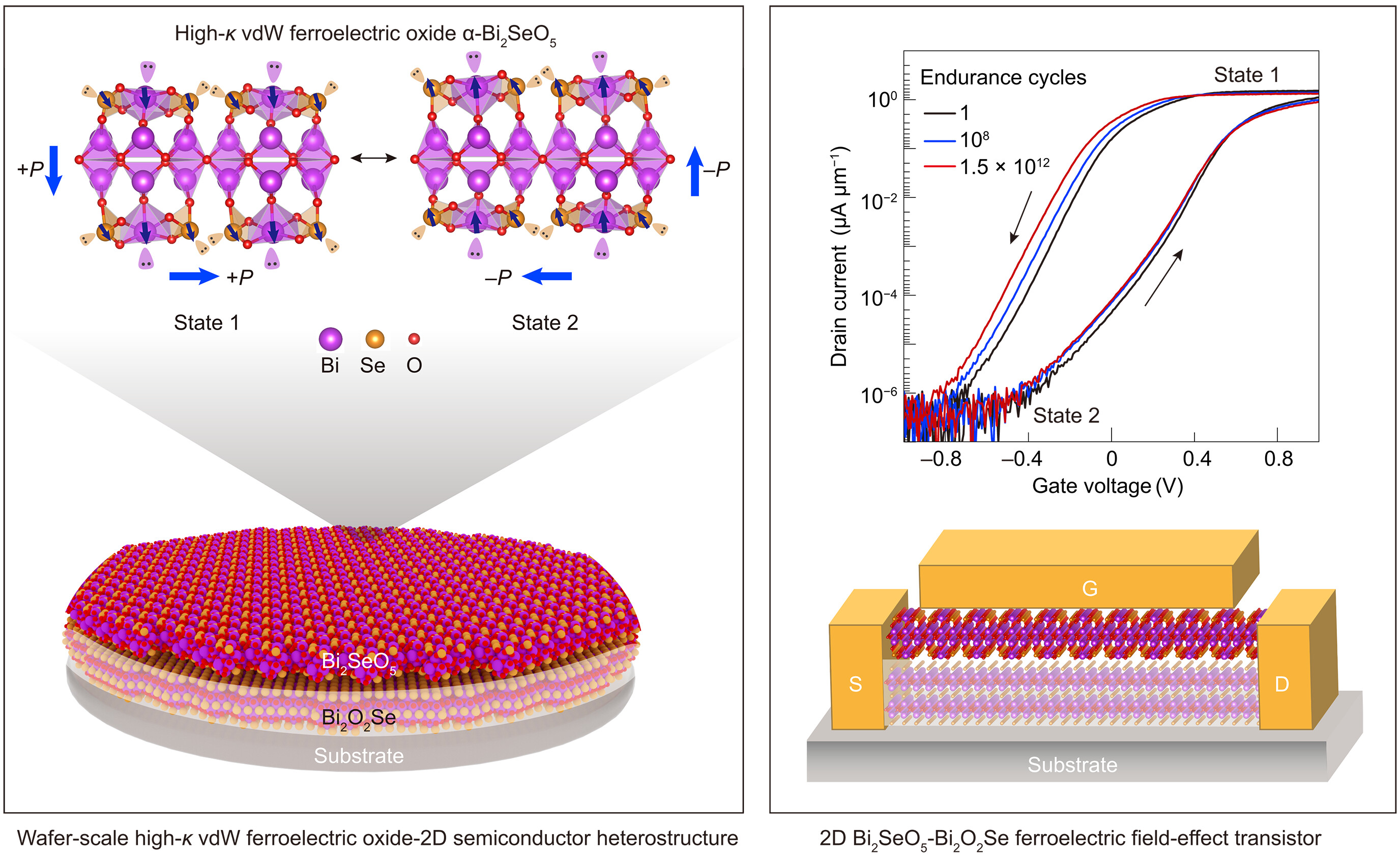
Fig.2: Wafer-scale 2D ferroelectric-semiconductor heterostructure and 2D FeFET.
Nature:
1. In a multimodal AI breakthrough, Huang Tiejun from the Institute for Artificial Intelligence and his team present Emu3, a family of AI models that learns from and
generates text, images, and video using a single, elegant technique. By unifying these abilities, it rivals advanced specialized systems and
paves the way for powerful, integrated intelligence, from creative tools to robots that perceive and act on their environment. (
Read more)
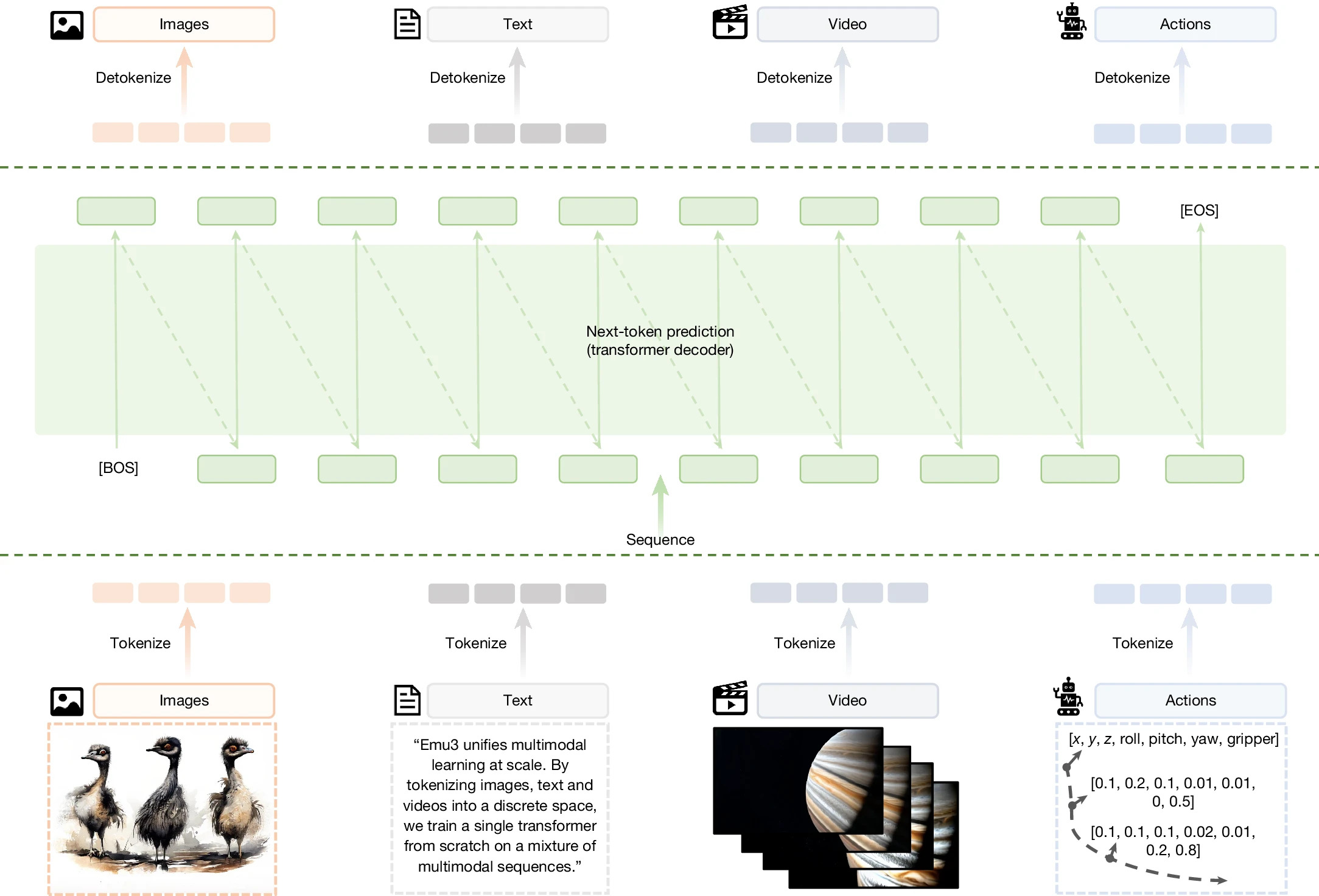
Fig.3: Emu3 Framework.
2. Bile acids are essential for digestion and metabolic health, and disruptions in their transport can cause liver disease such as cholestasis. In this research, Lei Xiaoguang and his team from the College of Chemistry and Molecular Engineering used cryo-electron microscopy to reveal how the human bile acid transporter OSTα/β is built and how it moves bile acids across the membrane,
shining light on a blueprint for designing therapies that target bile-acid disorders. (
Read more)
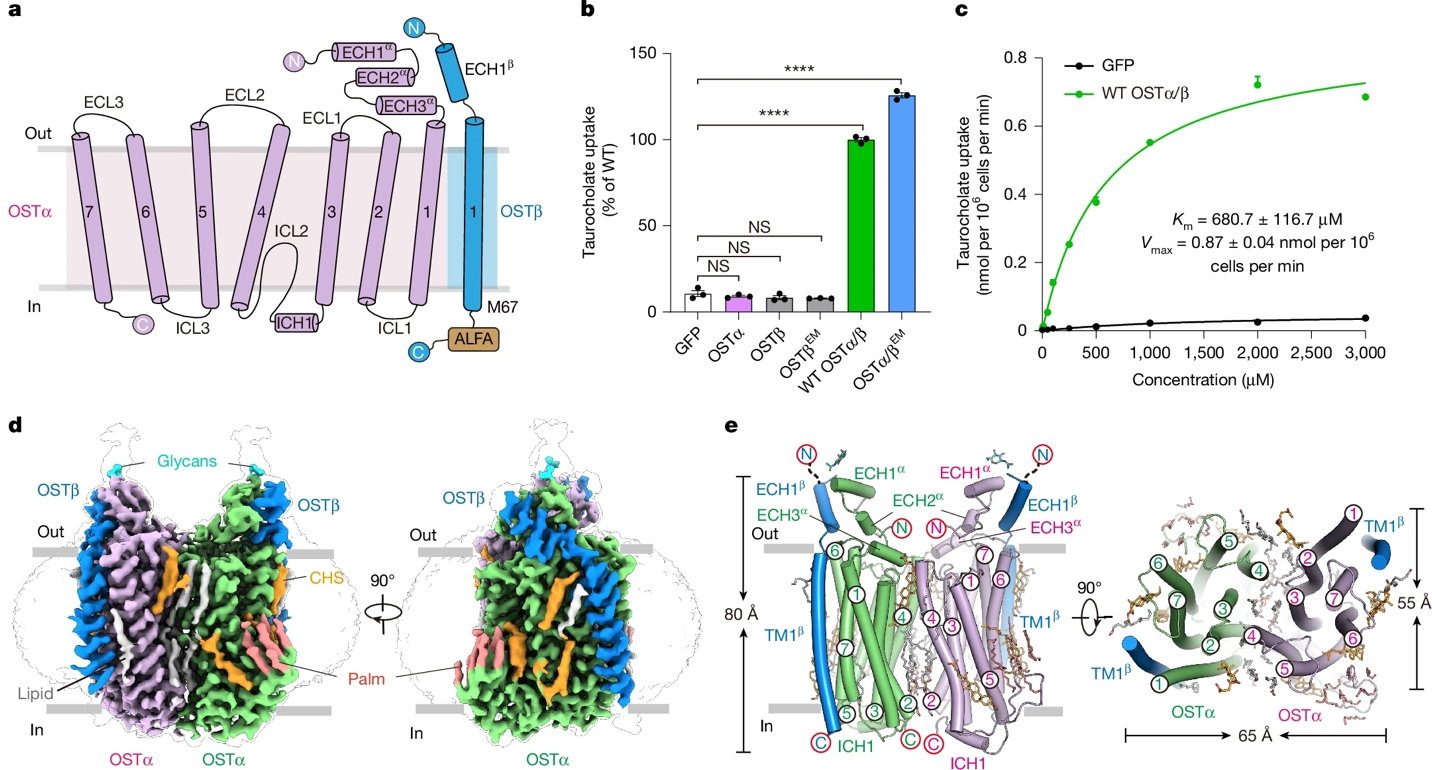
Fig.4: Function and structure of human OSTα/β.
3. Holding the potential to revolutionize robotics, wearable and healthcare devices, Yan Bonan and his team from the School of Integrated Circuits present FLEXI, an AI chip that is high-performance, low-cost, thin, durable, and highly flexible—able to withstand over 40,000 bends over 6 months. It also achieves an accuracy rate of 99.2% for irregular heartbeat detection and 97.4% for daily activity monitoring.
This invention enables low-cost, on-body AI health monitoring without relying on cloud computing. (
Read more)
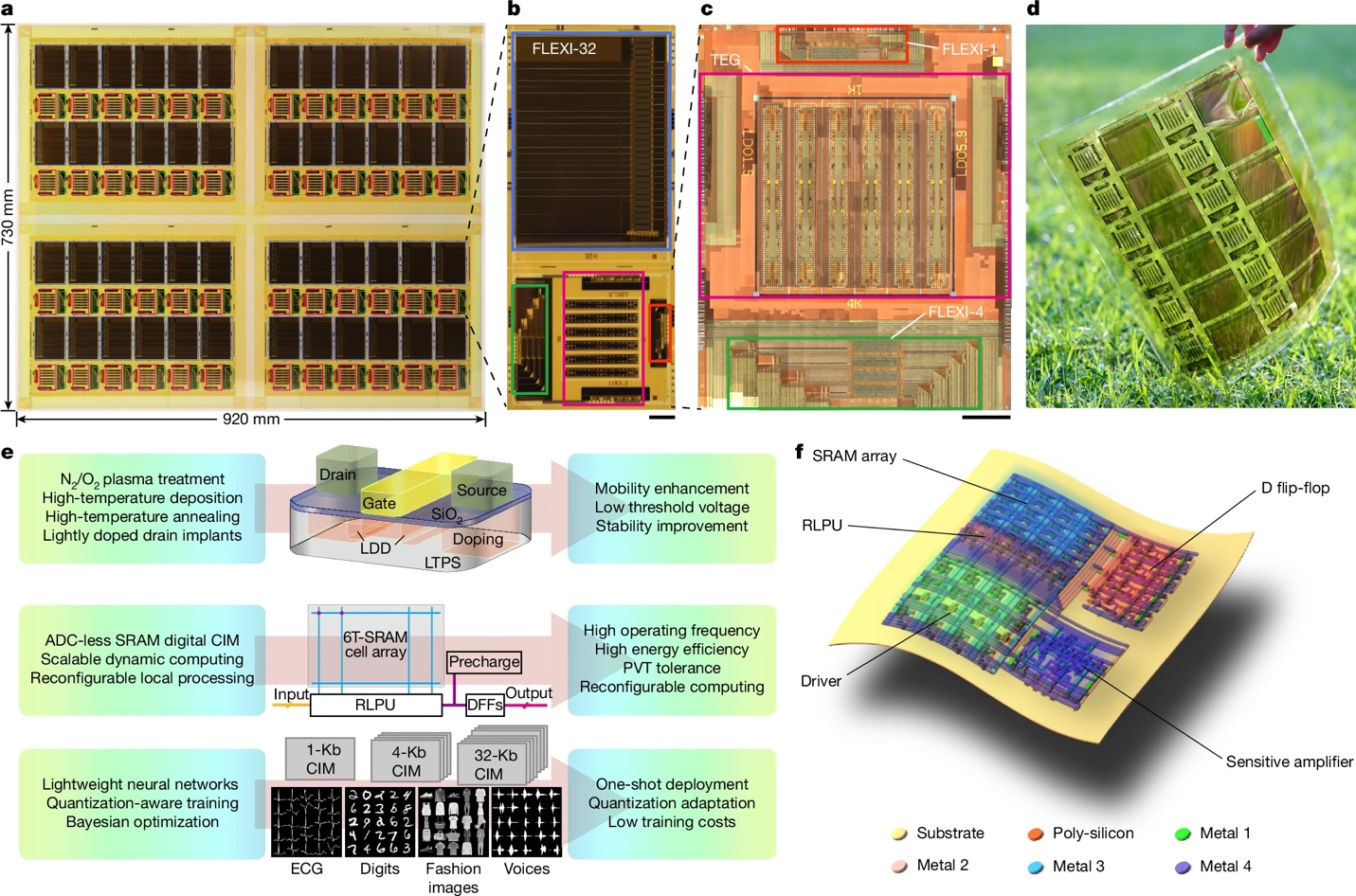
Fig.5: Overview of FLEXI and its key attributes.
4. Using the 78-qubit superconducting processor Chuang-tzu 2.0, Zhao Hongzheng and his team from the School of Physics demonstrate long-lived prethermal phases under structured random driving, tracking the heating process over 1,000 cycles through particle imbalance and entanglement measurements. Importantly, the lifetime of this stable window can be tuned by both driving frequency and the structure of temporal correlations, following a universal 2
n+1 scaling law.
This provides a strategy for stabilizing quantum simulators beyond classical reach. (
Read more)
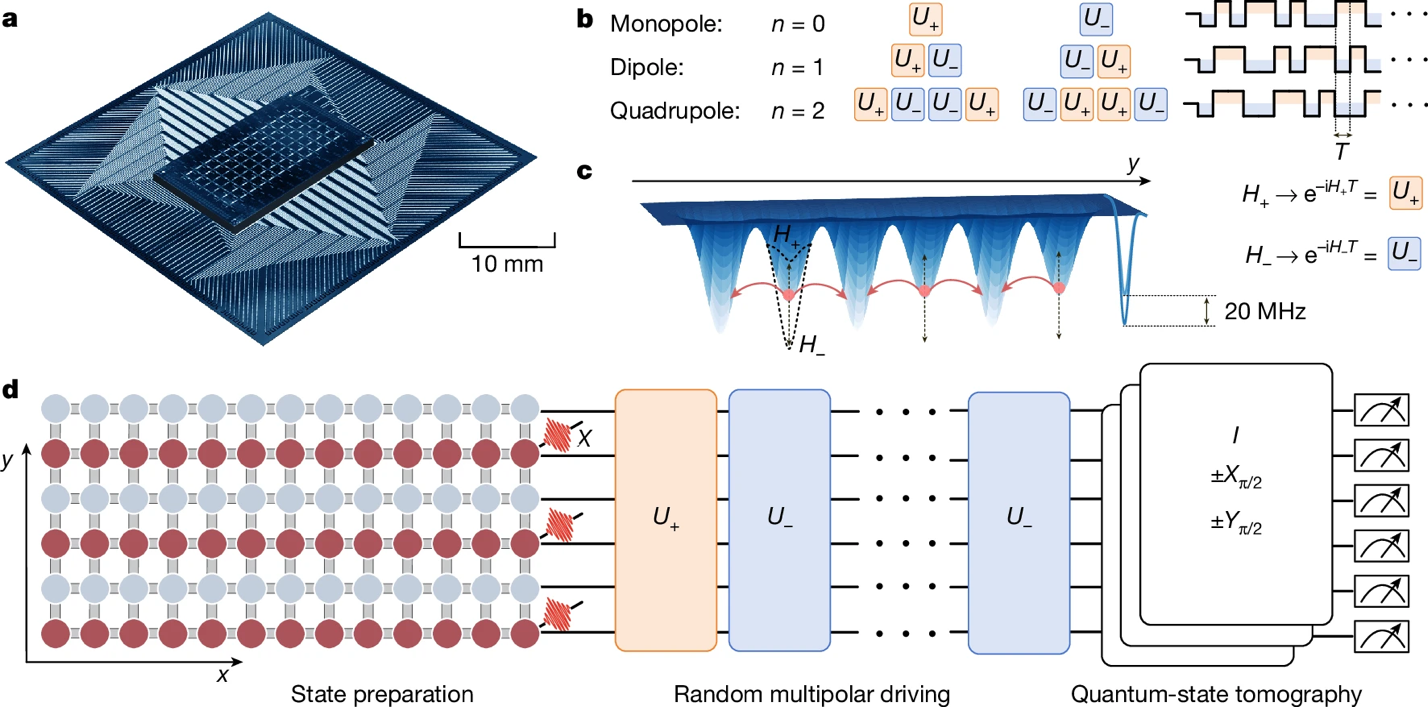
Fig.6: Quantum processor and experimental scheme.
Written by: Jawad Shabbir, Akaash Babar
Edited by: Chen Shizhuo